Challenges in High-Viscosity Material Transfer
- During the production of coatings, inks, adhesives, lubricating greases, resins, and other materials, many substances feature high viscosity, poor flowability, and high transfer resistance. Traditional transfer equipment may experience problems such as difficult suction, unstable material supply, insufficient pressure, and reduced operating efficiency when handling these materials.
- An air operated piston pump uses compressed air as the power source and generates pressure through reciprocating piston movement to achieve material suction and discharge. With strong suction capability and pressure output performance, it is especially suitable for transferring high-viscosity materials. It can be used for drum material transfer, production equipment feeding, spraying supply, and filling applications, providing enterprises with a stable, efficient, and flexible material transfer solution.
What Is an Air Operated Piston Pump?
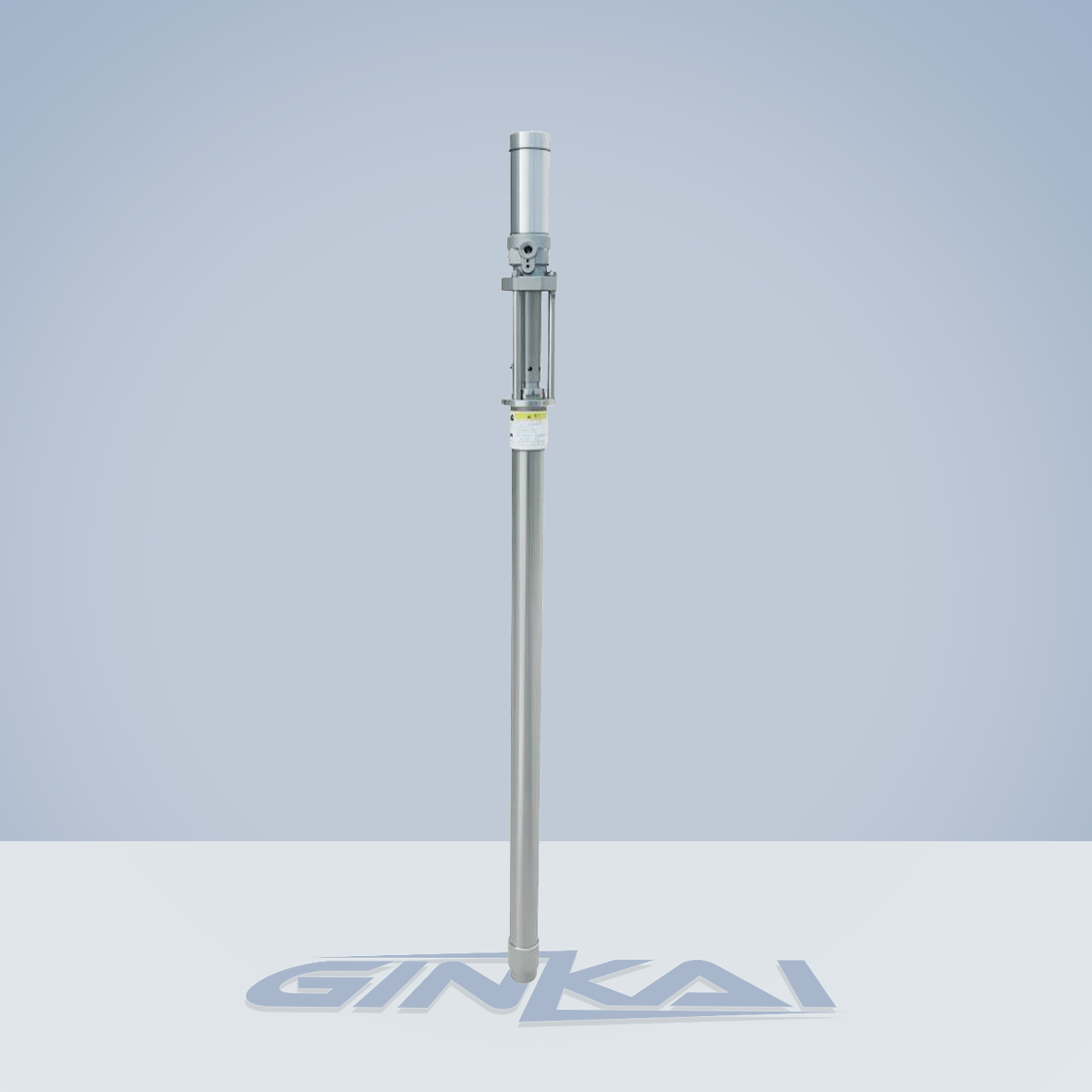
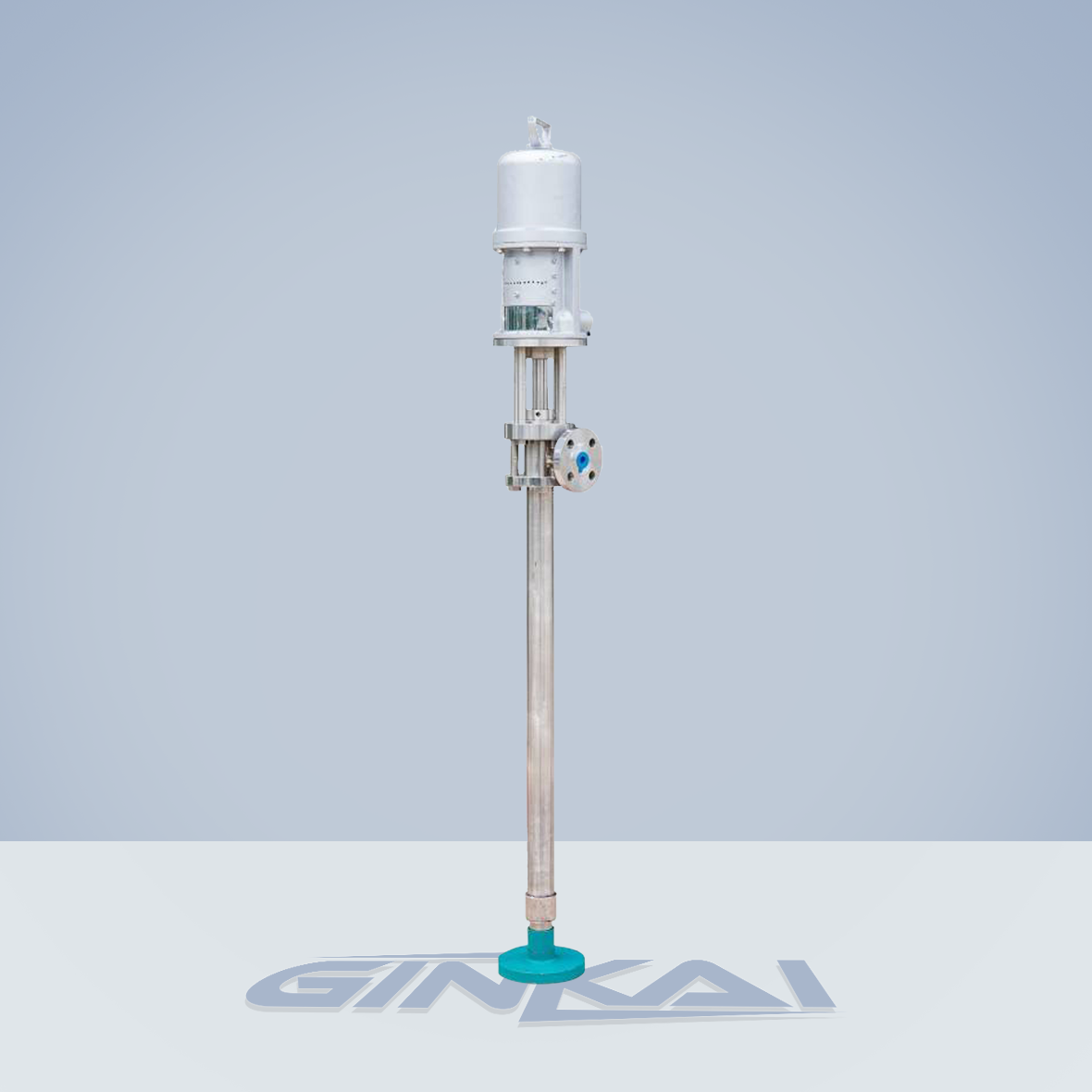
- An air operated piston pump is a material transfer device powered by compressed air. It mainly consists of an air motor, connecting components, piston pump body, and sealing system.
- During operation, compressed air drives the air motor to move reciprocally and drives the piston inside the pump body to move up and down. The piston movement creates pressure changes inside the pump chamber. Through the cooperation of inlet and outlet valves, materials are continuously drawn in and discharged, achieving continuous transfer.
- Compared with conventional liquid pumps, air operated piston pumps provide stronger pressure generation capability and are more suitable for transferring high-viscosity, low-flowability materials that require stable pressure output.
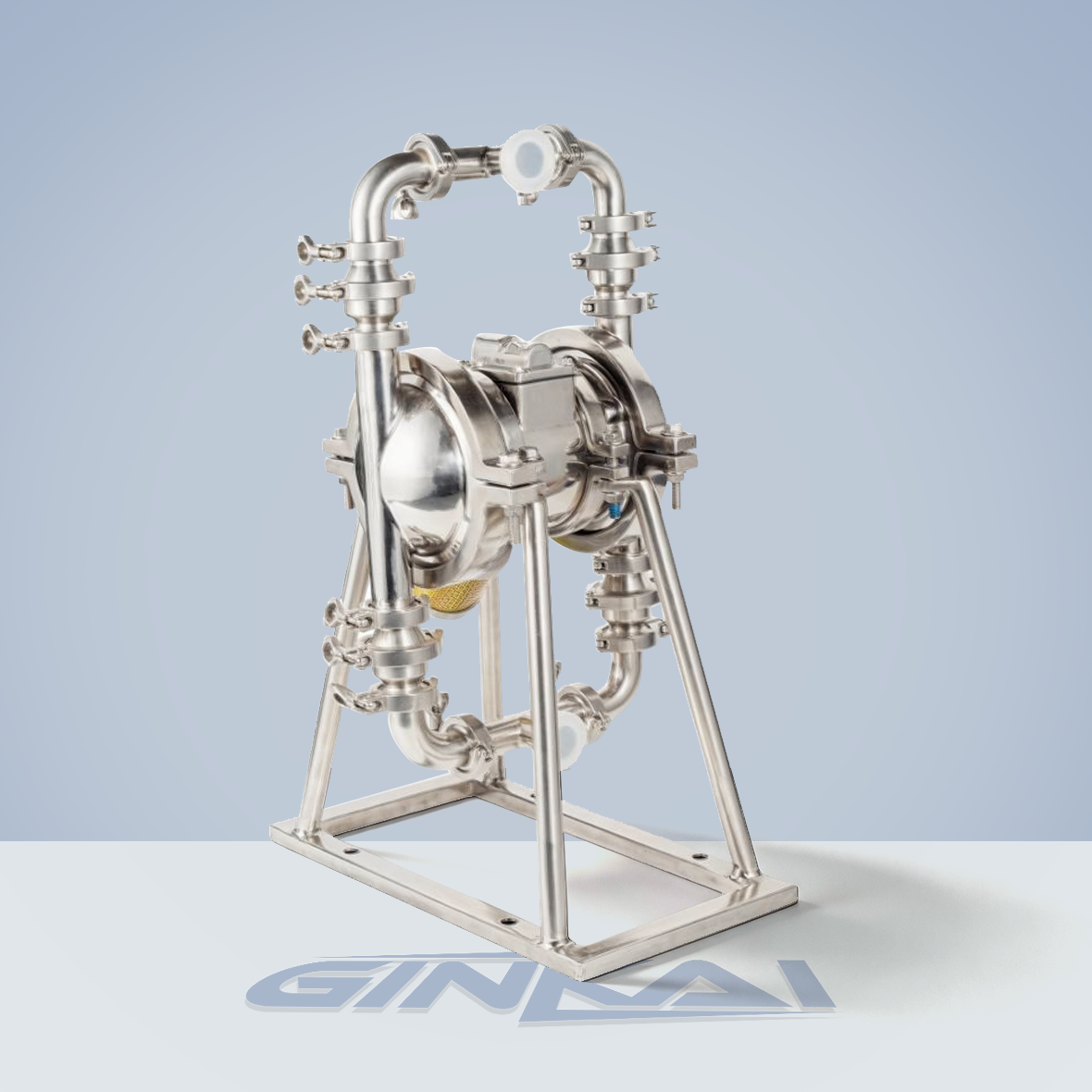
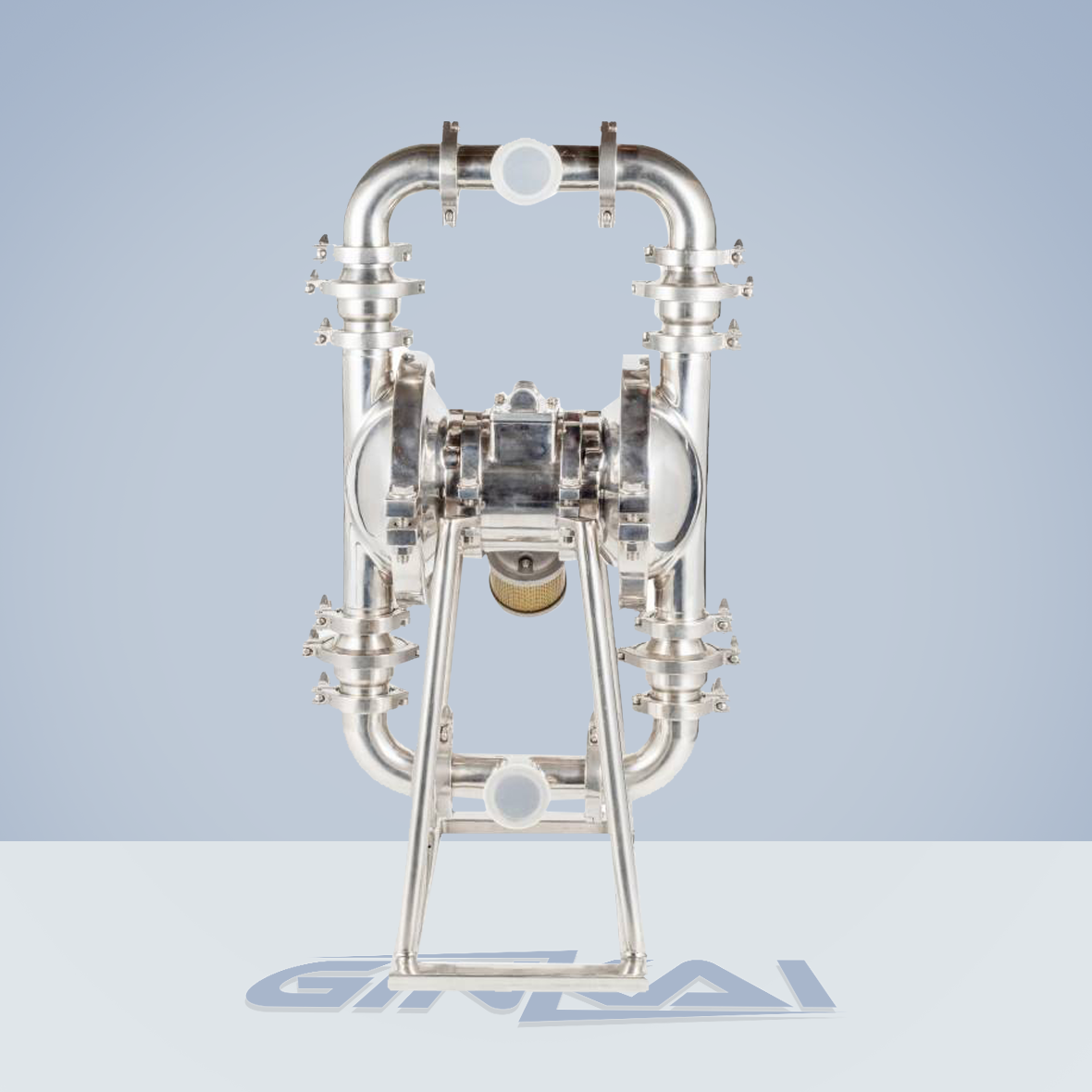
- According to different material characteristics and operating conditions, air operated piston pumps can be configured with different pump tube lengths, pump body materials, sealing materials, and installation methods to meet various production requirements.
What Should Be Considered When Using an Air Operated Piston Pump?
- Before operating the equipment, check that the pump body, pipelines, connections, and installation structure are secure, and confirm that the air supply pressure meets equipment requirements.
- During startup, gradually increase the air supply to avoid sudden high-speed operation and unnecessary impact on the equipment.
- If problems such as reduced flow, abnormal pressure, increased air consumption, or unusual noise occur during operation, the seals, valves, and material conditions should be checked promptly.
- For materials that are easy to solidify, crystallize, or settle, the pump body and pipelines should be cleaned after shutdown to prevent residual materials from affecting the next operation.
- Before maintenance or disassembly, always shut off the air supply, release pipeline pressure, and follow proper operating procedures.
Providing Stable Transfer Solutions for High-Viscosity Materials
- With strong pressure generation capability and excellent adaptability to high-viscosity materials, air operated piston pumps are widely used in industries such as coatings, inks, adhesives, lubricating greases, and resins
- By selecting suitable pressure ratios, pump tube lengths, wetted materials, sealing materials, and installation methods, air operated piston pumps can better match different production conditions and provide stable, efficient, and flexible material transfer solutions.
- For industrial applications requiring high pressure, high-viscosity handling, and stable material supply, air operated piston pumps are a reliable choice.
How to Extend the Service Life of Air Operated Piston Pumps?
- Proper selection and regular maintenance are important factors in ensuring long-term stable operation of air operated piston pumps.
- First, the appropriate model should be selected according to material viscosity, transfer distance, outlet pressure, and operating frequency.
- Second, maintain a clean and stable air supply, and regularly inspect air filters, pressure regulators, and sealing components.
- For high-viscosity materials, the transfer pipeline should be properly designed to reduce unnecessary bends and resistance, improving overall transfer efficiency.
- At the same time, cleaning and maintenance plans should be developed according to different material characteristics. Materials that are easy to solidify or leave residues should be handled promptly to reduce equipment wear.