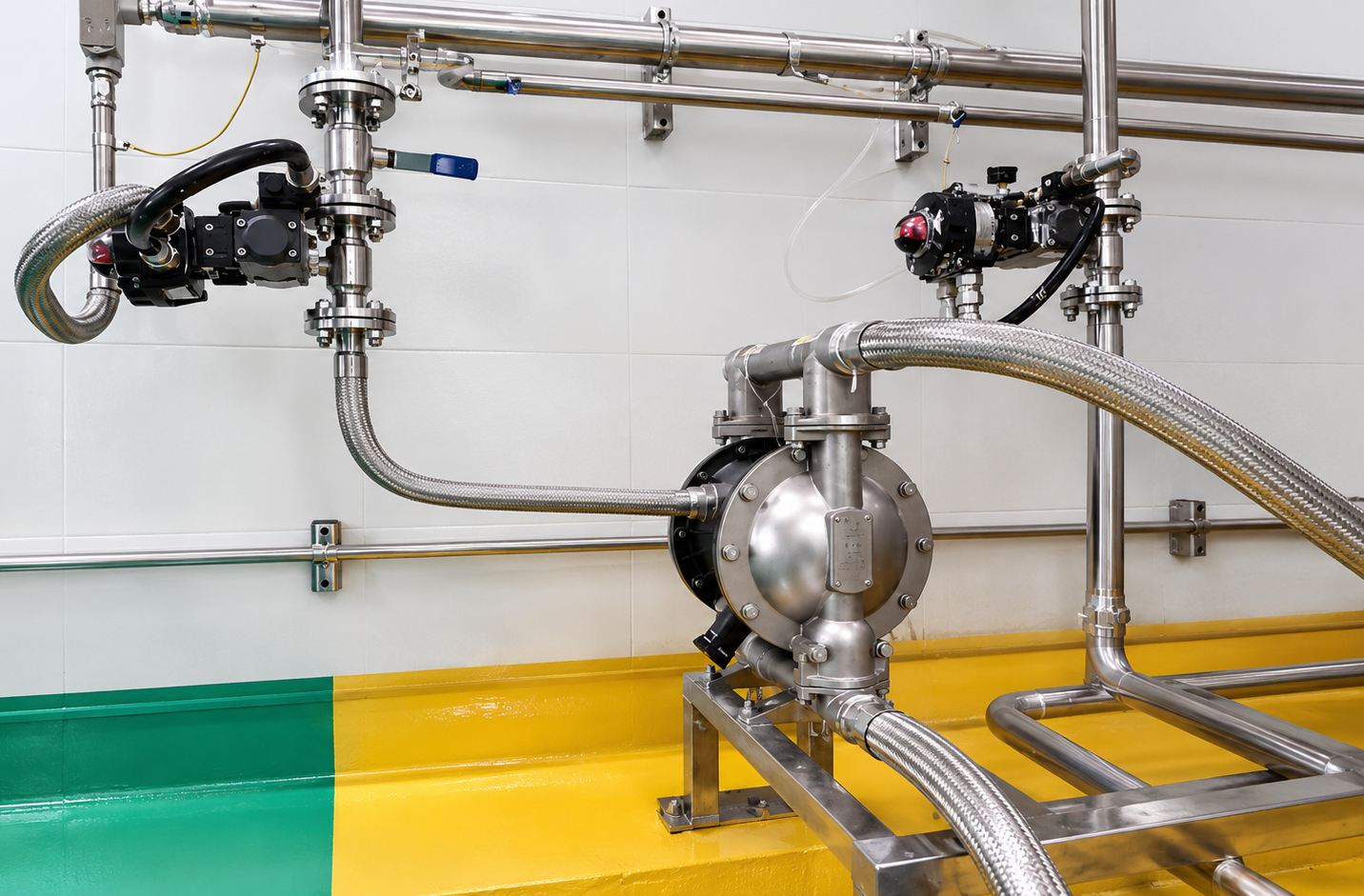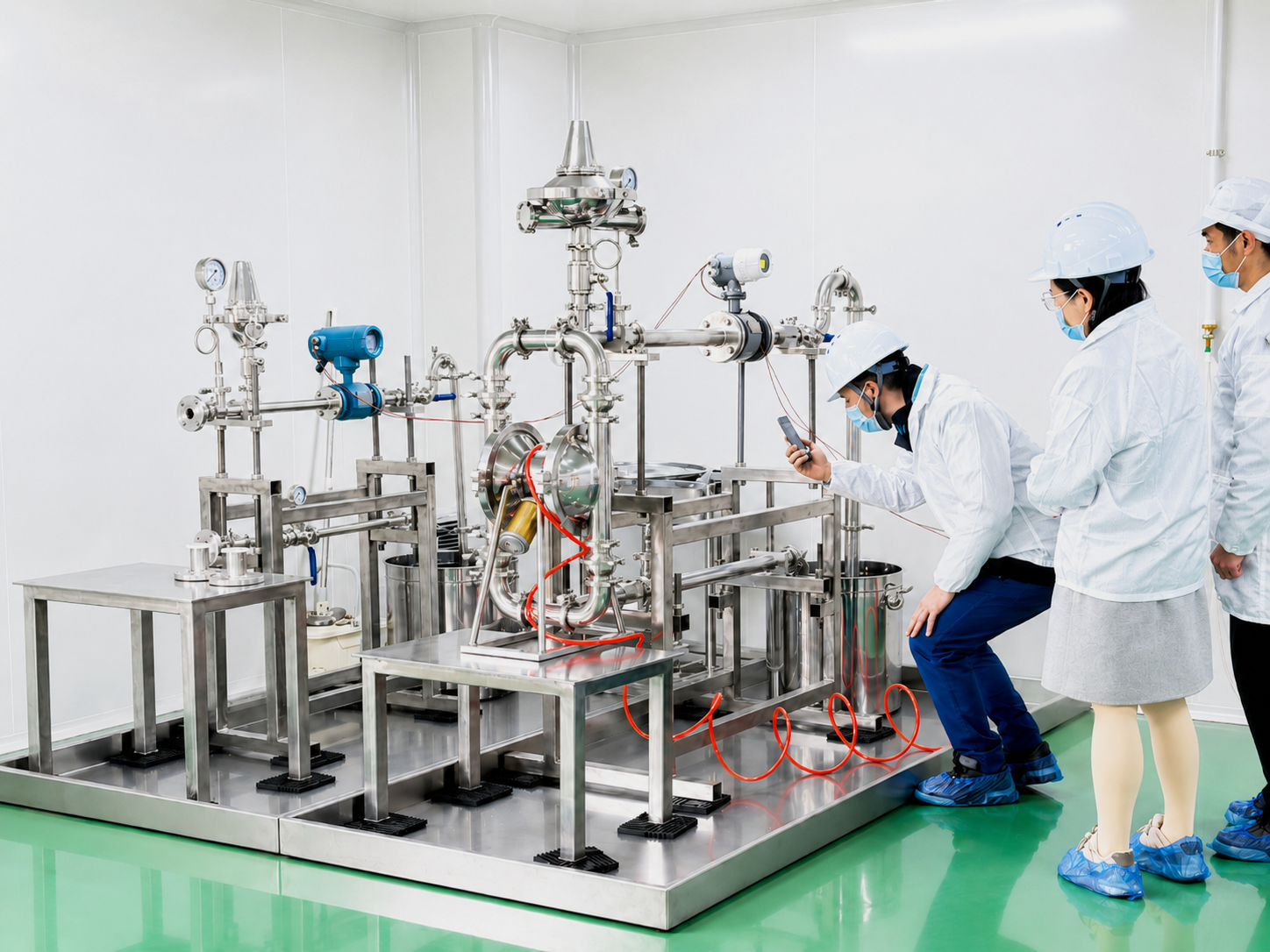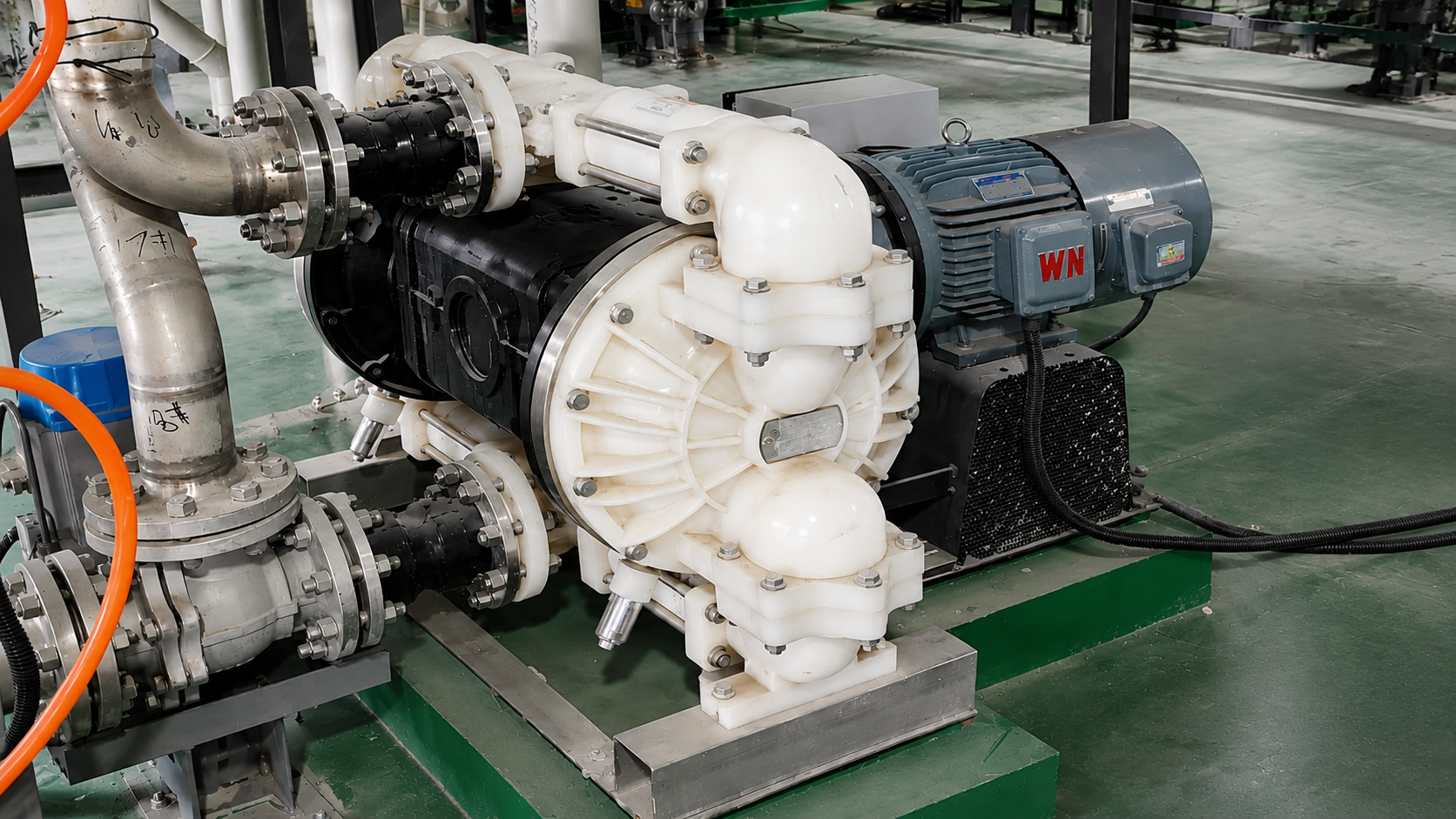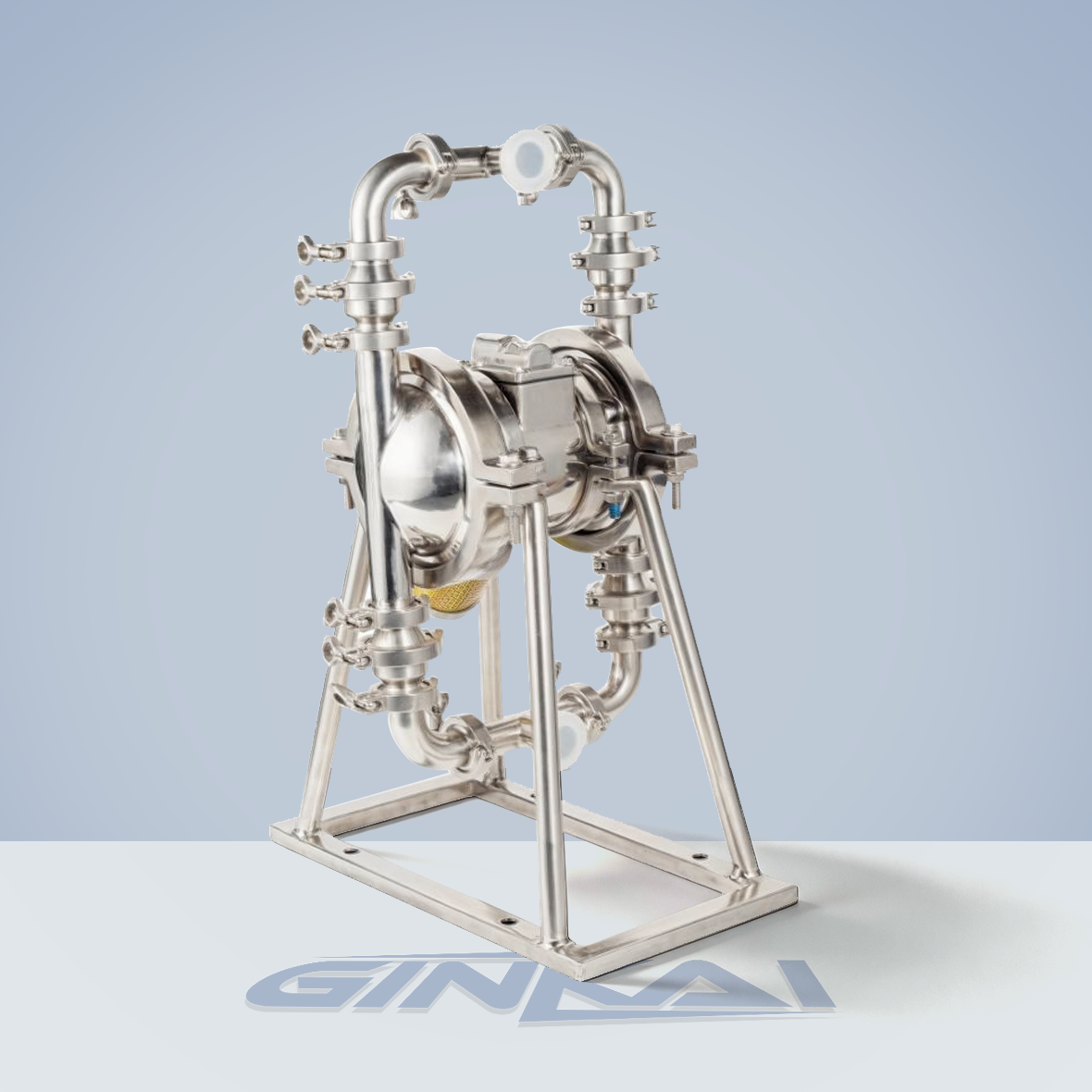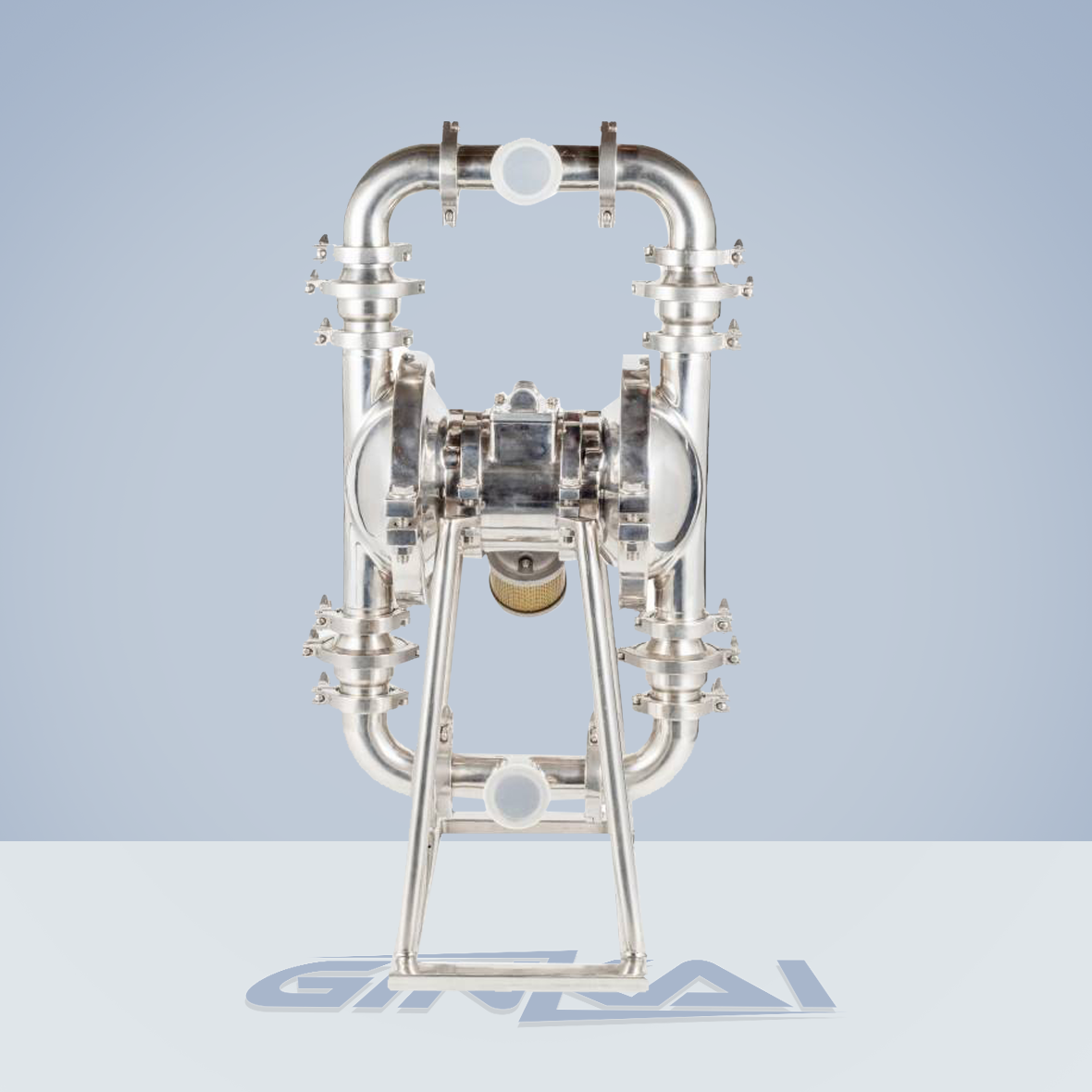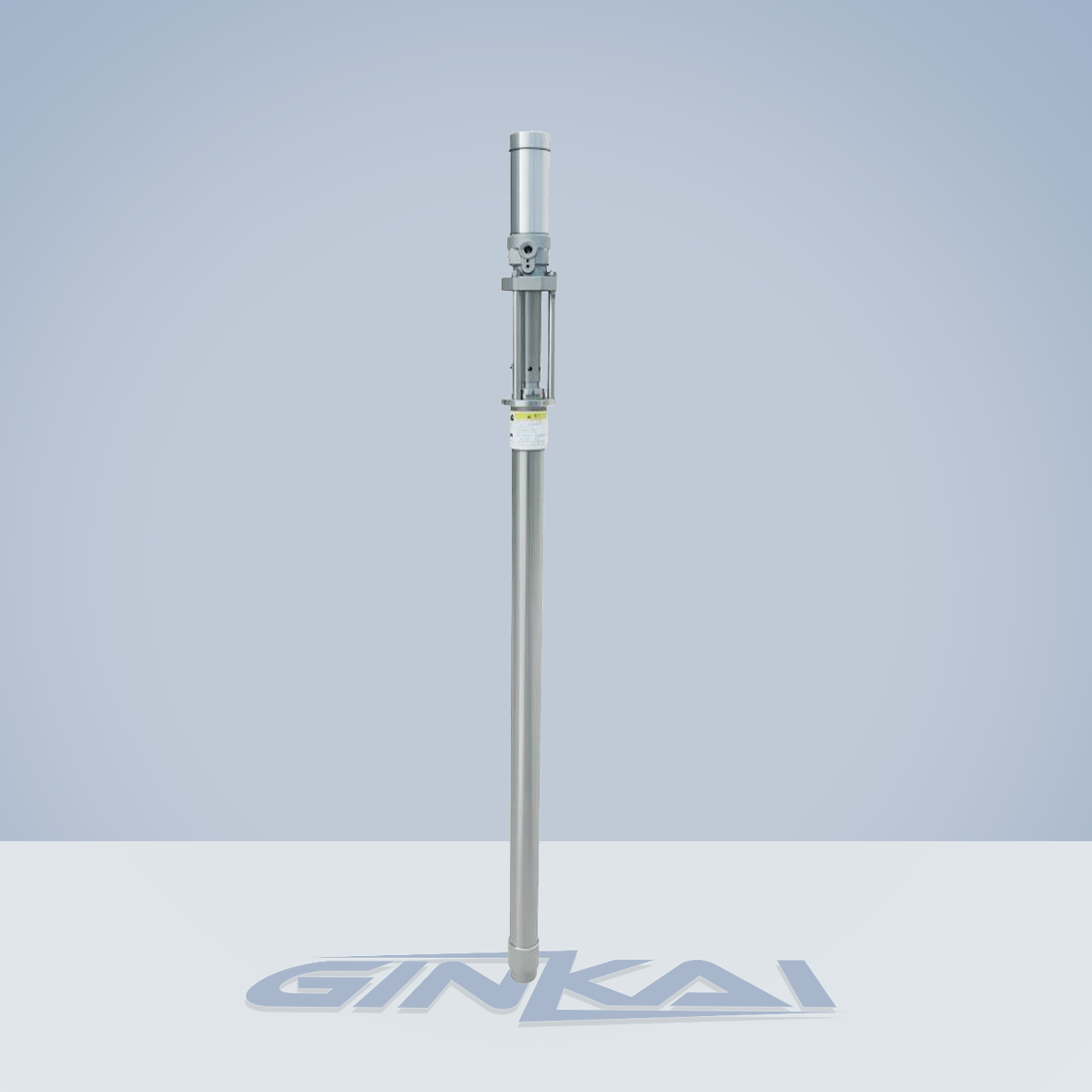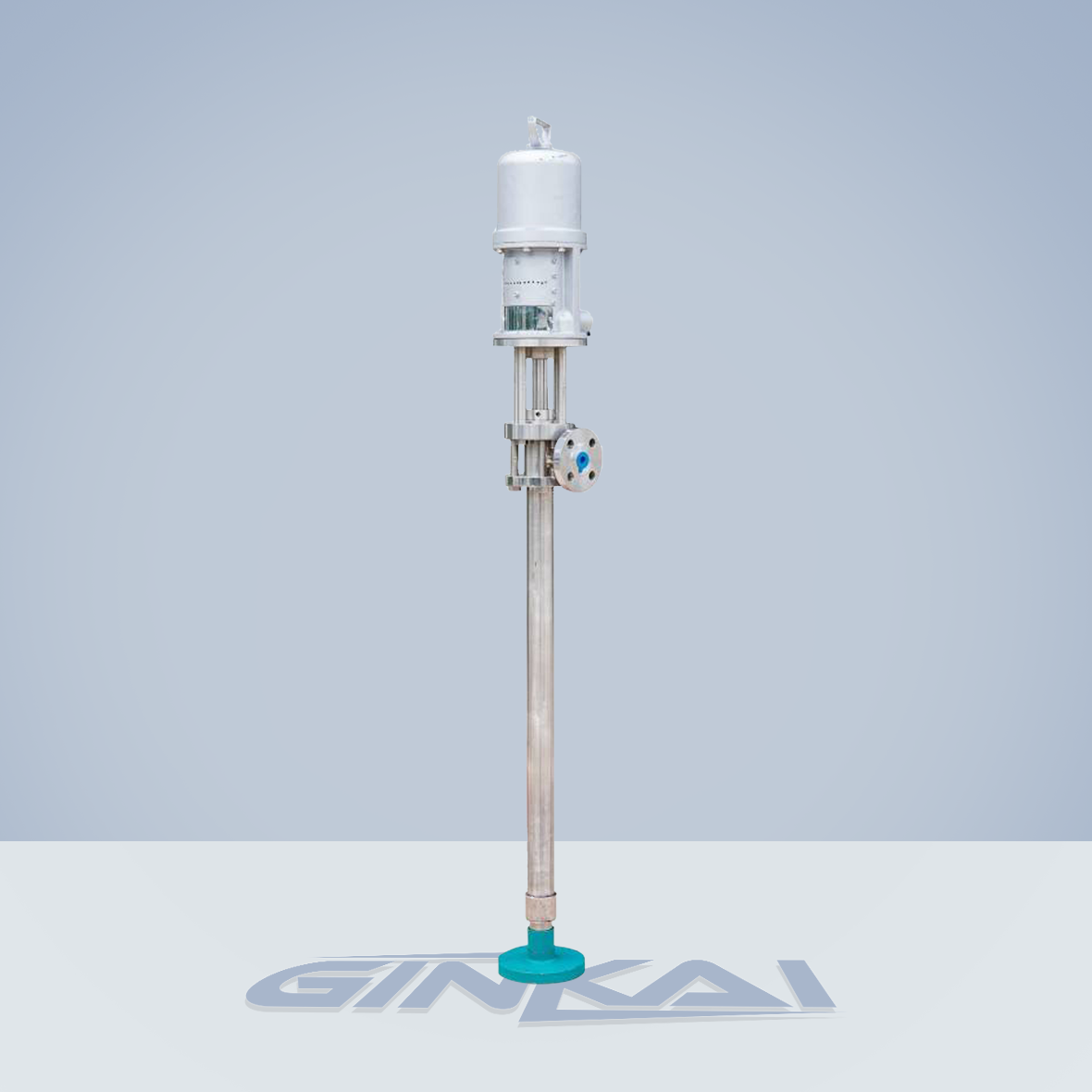
In industries such as chemicals, food processing, pharmaceuticals, environmental protection, mining, and new energy, fluids may be highly corrosive, viscous, particle-laden, or prone to settling. Conventional pumps can suffer from clogging, leakage, wear, and frequent maintenance when handling these materials. With excellent fluid compatibility and reliable performance, air-operated diaphragm pumps have become an important solution for industrial fluid transfer.
How Does an Air-Operated Diaphragm Pump Work?
An air-operated diaphragm pump is powered by compressed air. Its air valve controls two diaphragms that move back and forth alternately. As one diaphragm moves outward, negative pressure is created in the pump chamber, drawing fluid into the pump. At the same time, the opposite diaphragm moves inward and discharges the fluid. This alternating action provides continuous and stable transfer.
During operation, the fluid is isolated from the drive components. The pump does not require a conventional mechanical seal, helping reduce leakage caused by seal wear.
Key Advantages
- Air-operated diaphragm pumps offer excellent self-priming performance and normally do not require priming before startup. They can handle low-viscosity liquids, highly viscous materials, particle-containing fluids, and certain corrosive media.
- Powered by compressed air, the pump does not require an electric motor. It is suitable for humid, flammable, or electrically sensitive working environments. The operating speed and flow rate can also be controlled by adjusting the air pressure and air supply.
- The pump can stop automatically when the discharge outlet is closed and resume operation when the outlet is reopened. This makes it suitable for intermittent transfer, filling systems, tank emptying, and production-line circulation.
Solutions for Different Operating Conditions
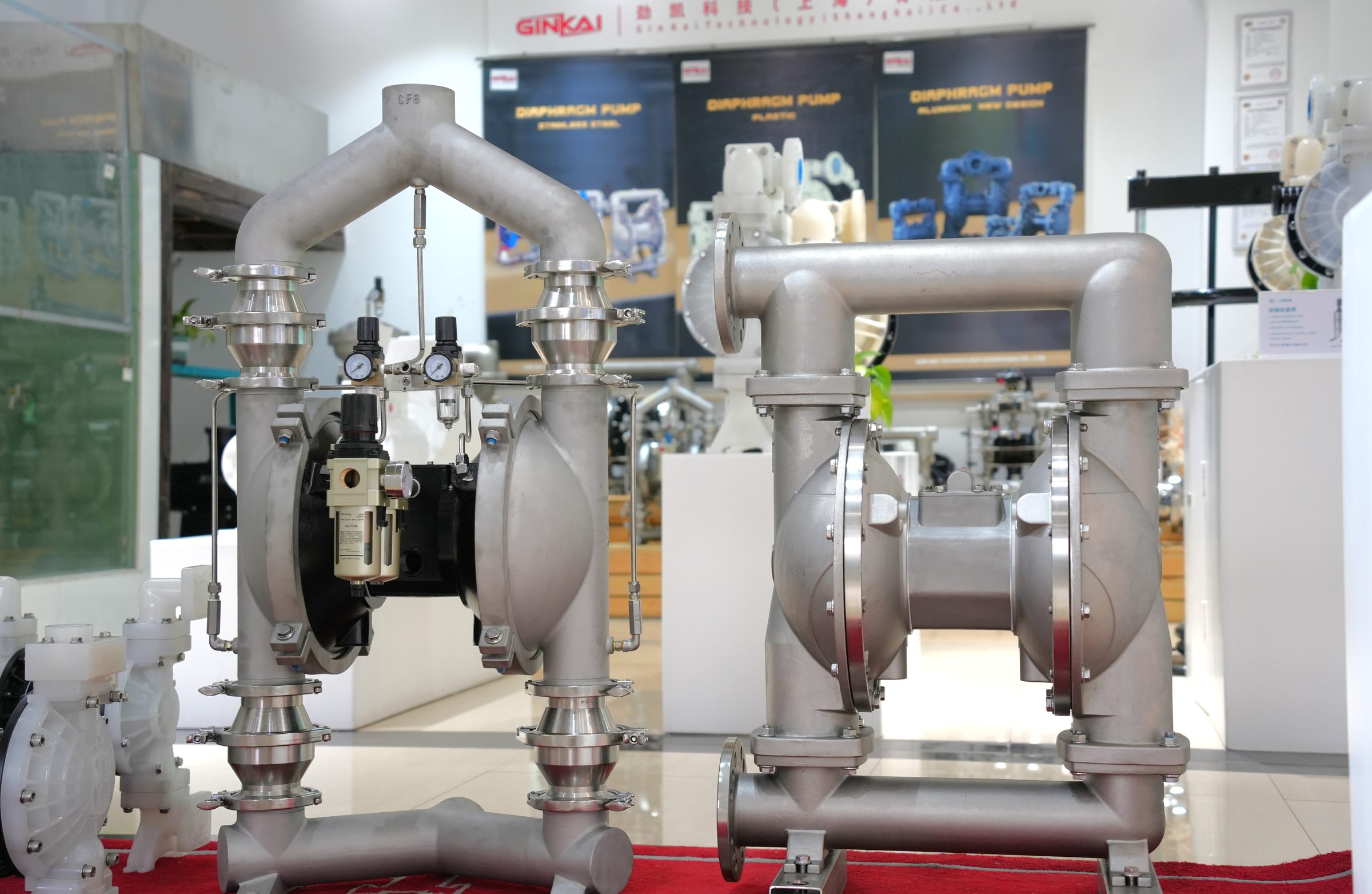
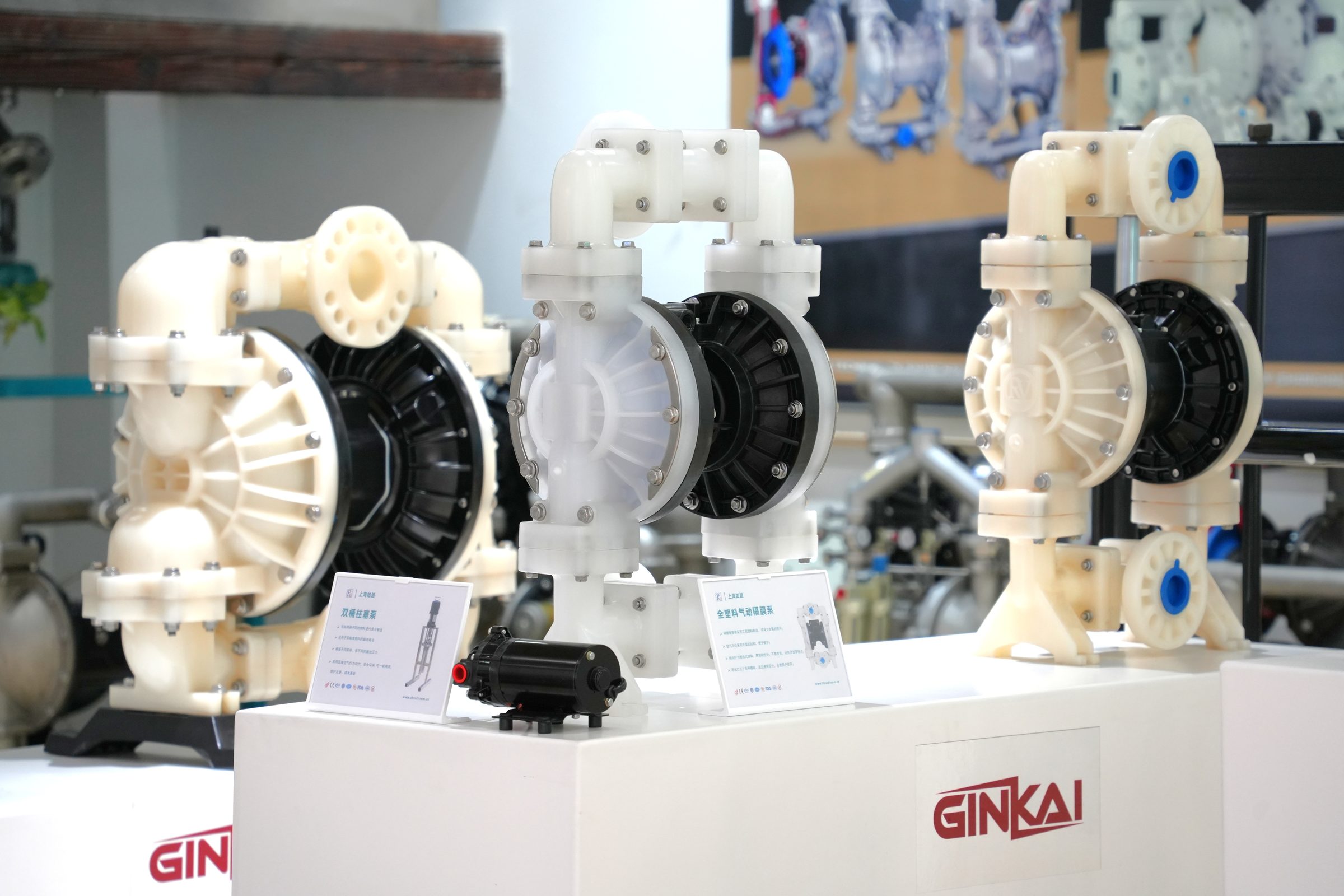
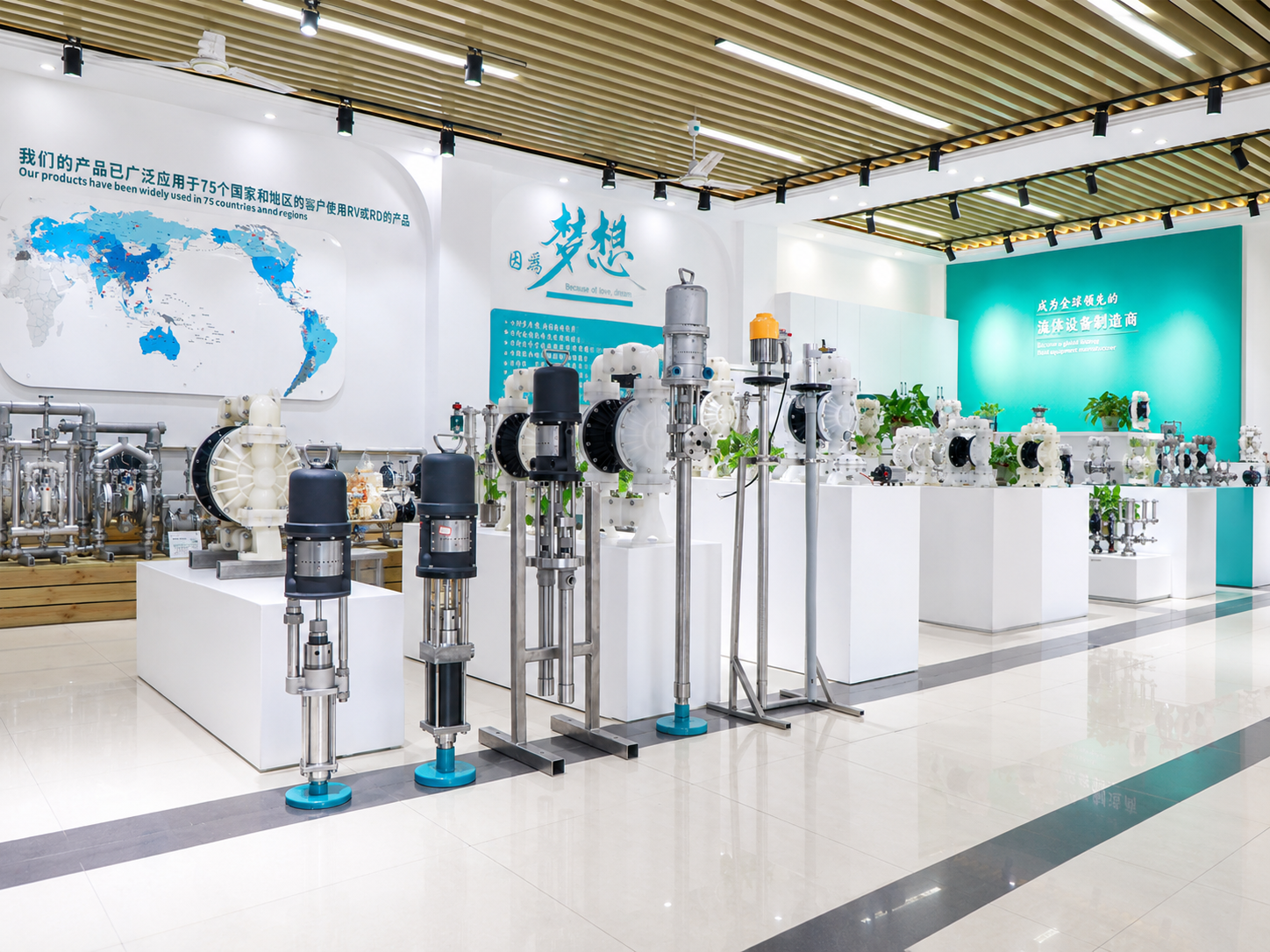
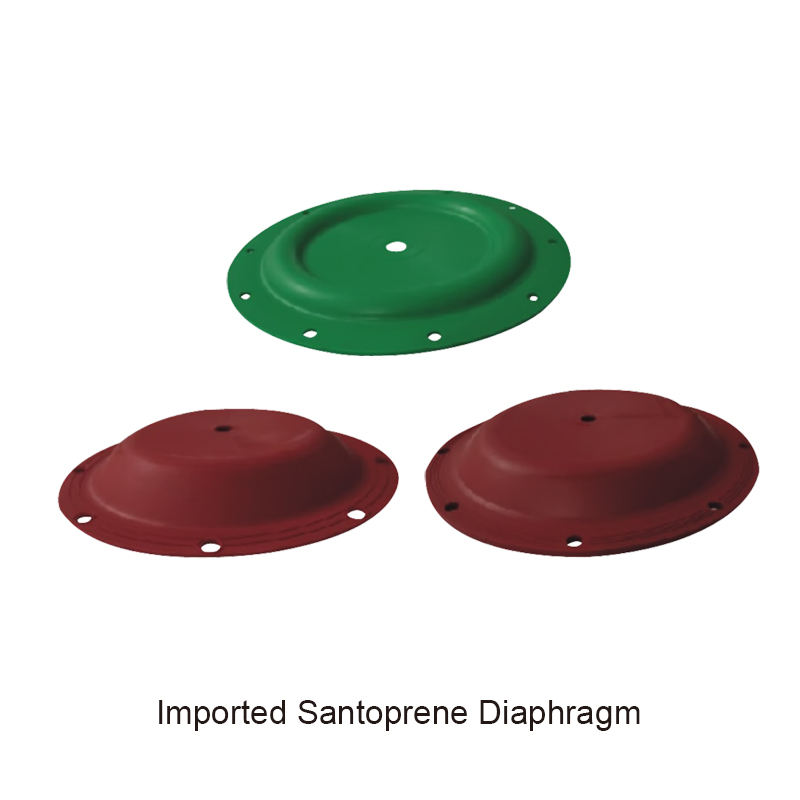
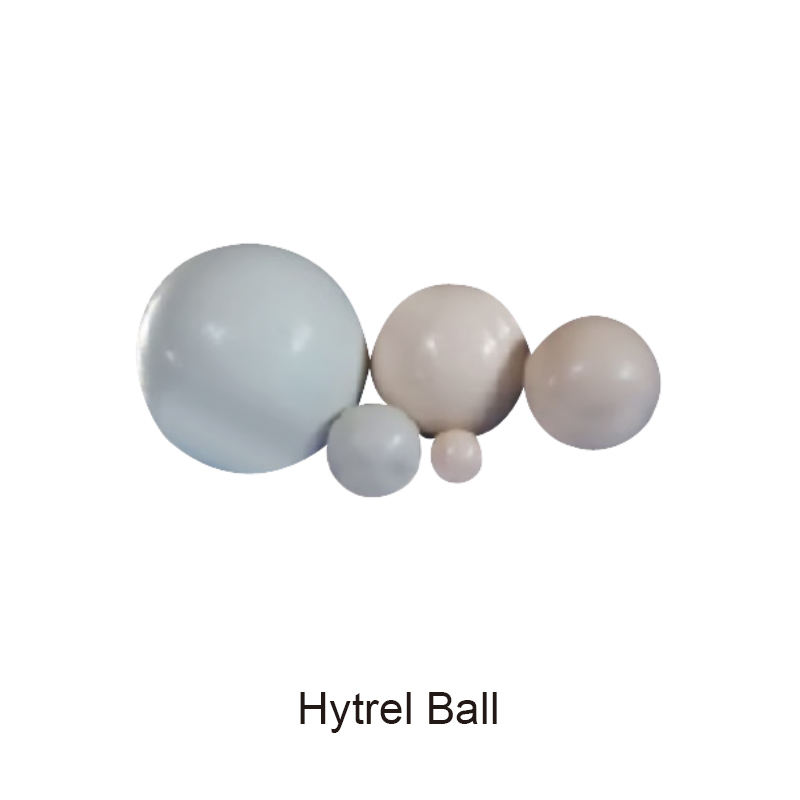
For different fluids and production environments, pump bodies are available in aluminum alloy, stainless steel, engineering plastics, and special corrosion-resistant materials. Diaphragms, valve balls, and sealing materials can also be selected according to fluid temperature, corrosiveness, and abrasiveness.
How to Select the Right Pump
A larger pump is not always the better choice. An undersized pump may fail to meet flow and pressure requirements, while an oversized pump may increase purchasing costs and compressed-air consumption. Selecting the right size, materials, and internal components according to actual operating conditions ensures stable and cost-effective performance.
Creating Long-Term Value for Your Business
Air-operated diaphragm pumps not only solve complex fluid-transfer challenges but also help reduce leakage risks, maintenance frequency, and production downtime. A properly selected pump can provide efficient, stable, and reliable fluid-transfer support for your production line.