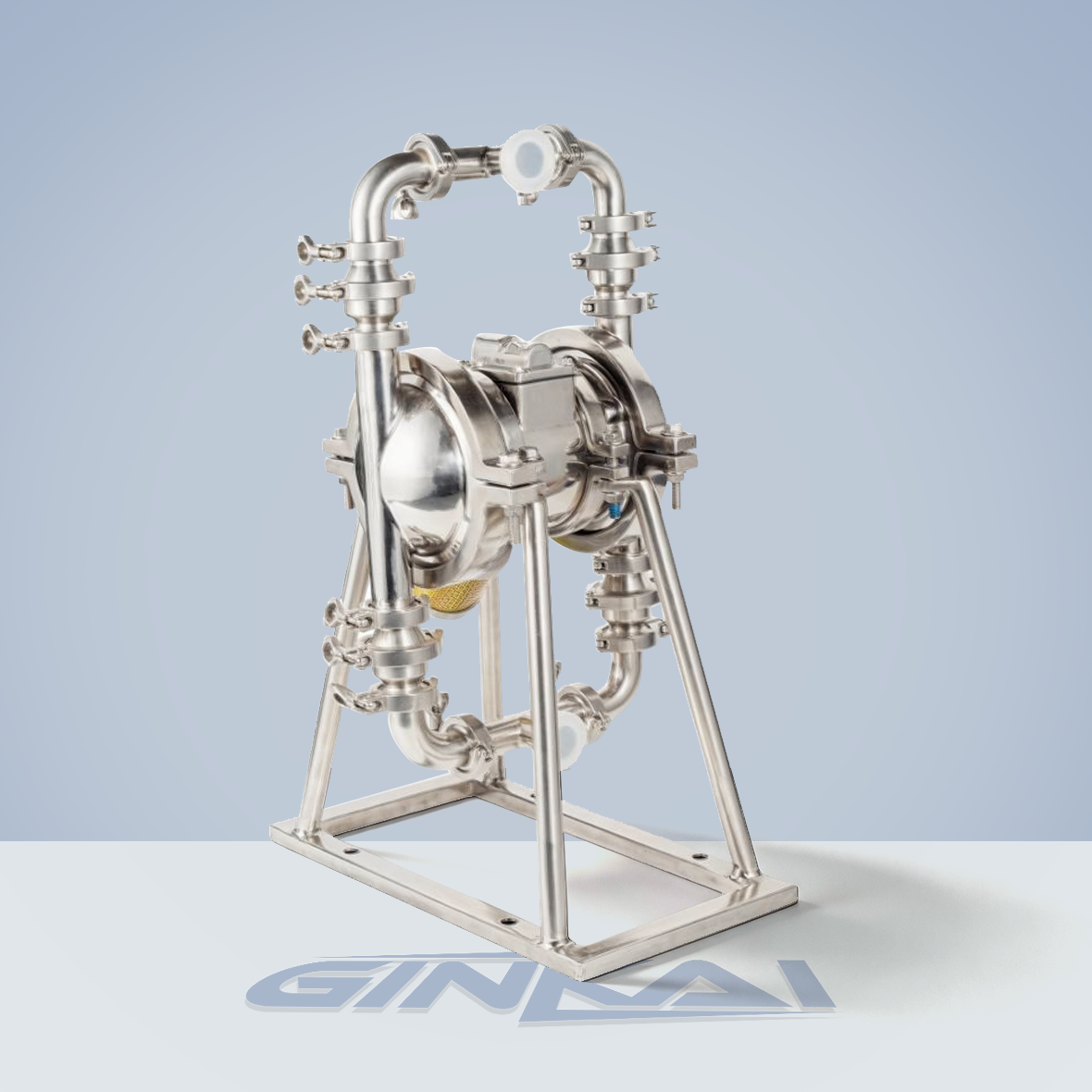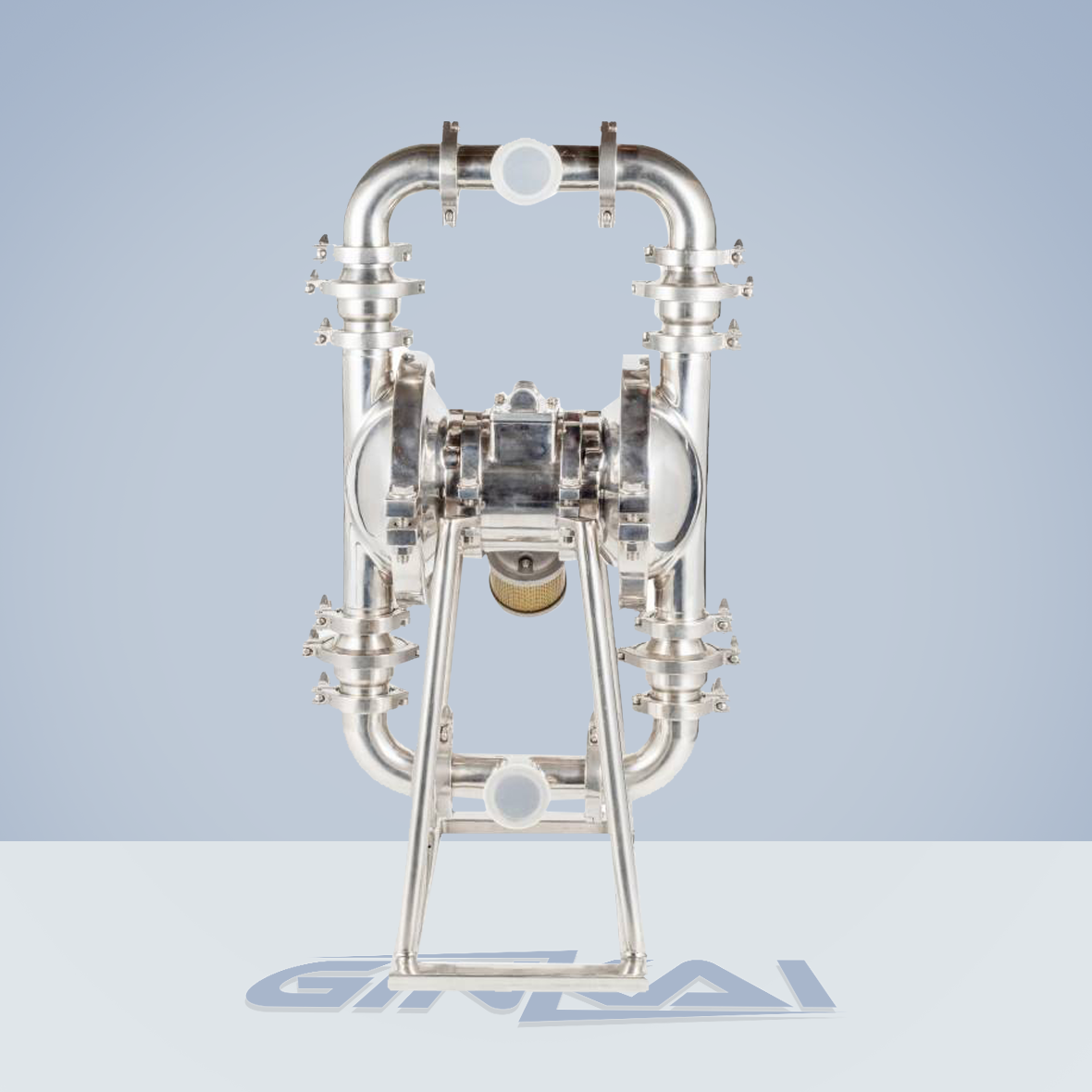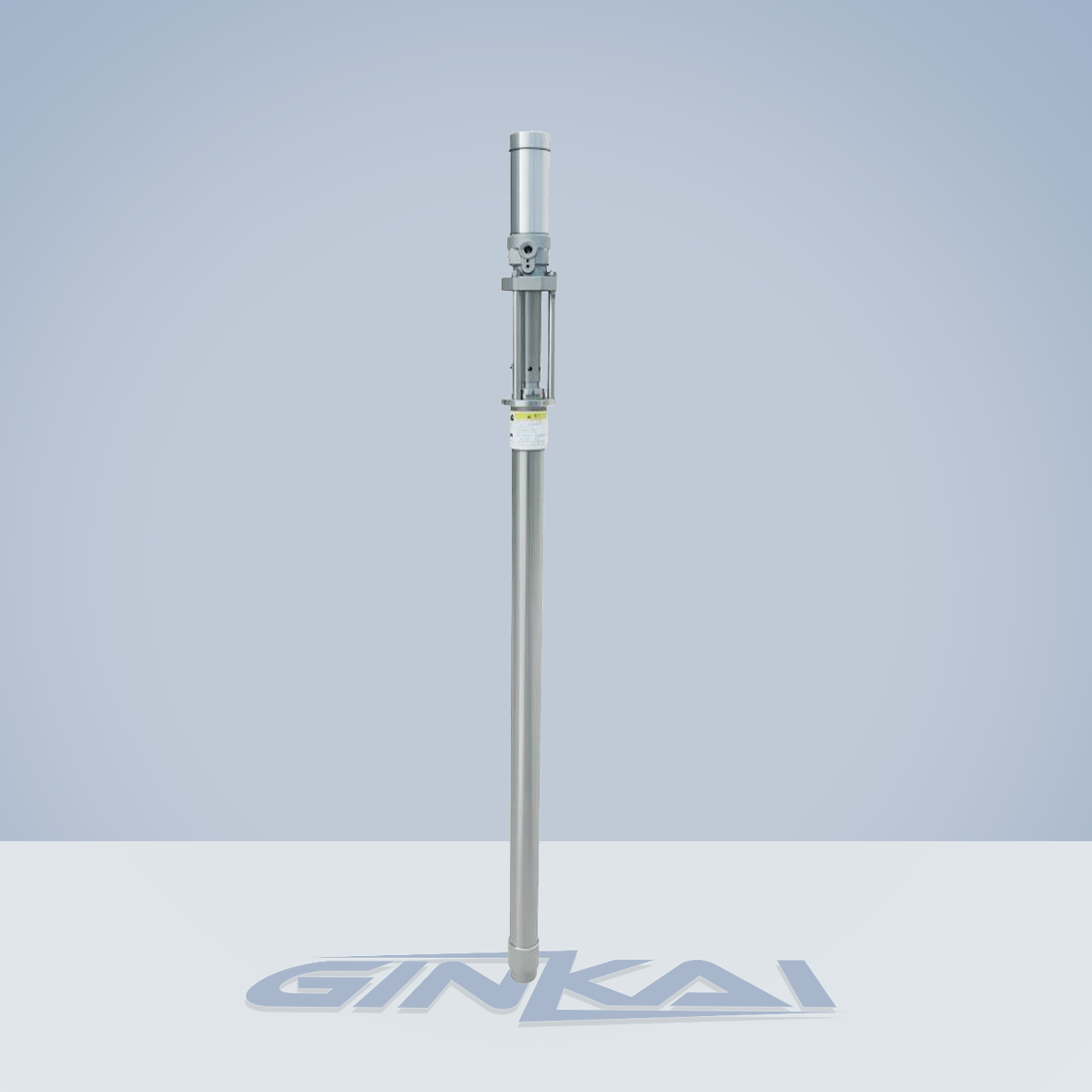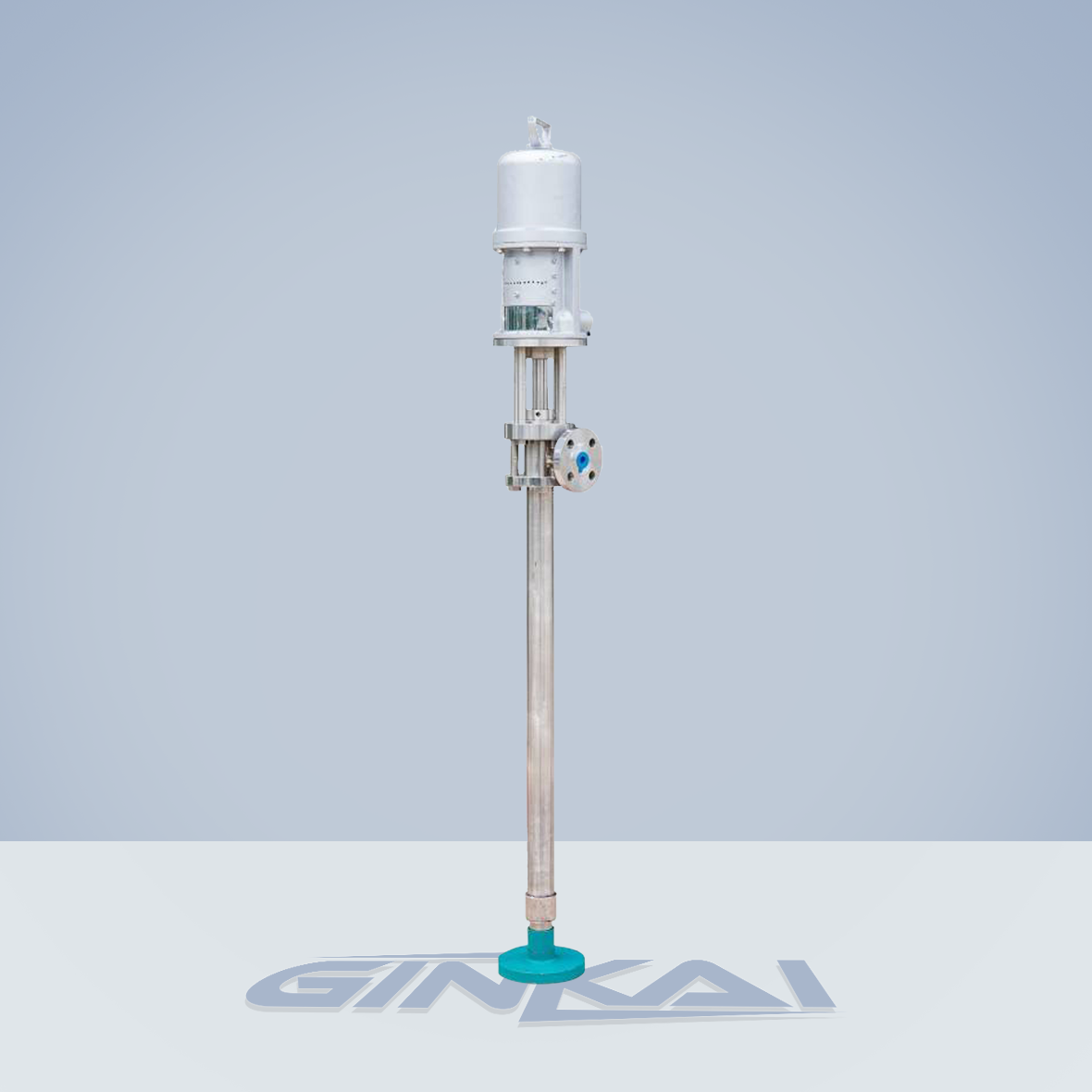
Why Choose Pneumatic Diaphragm Pumps?
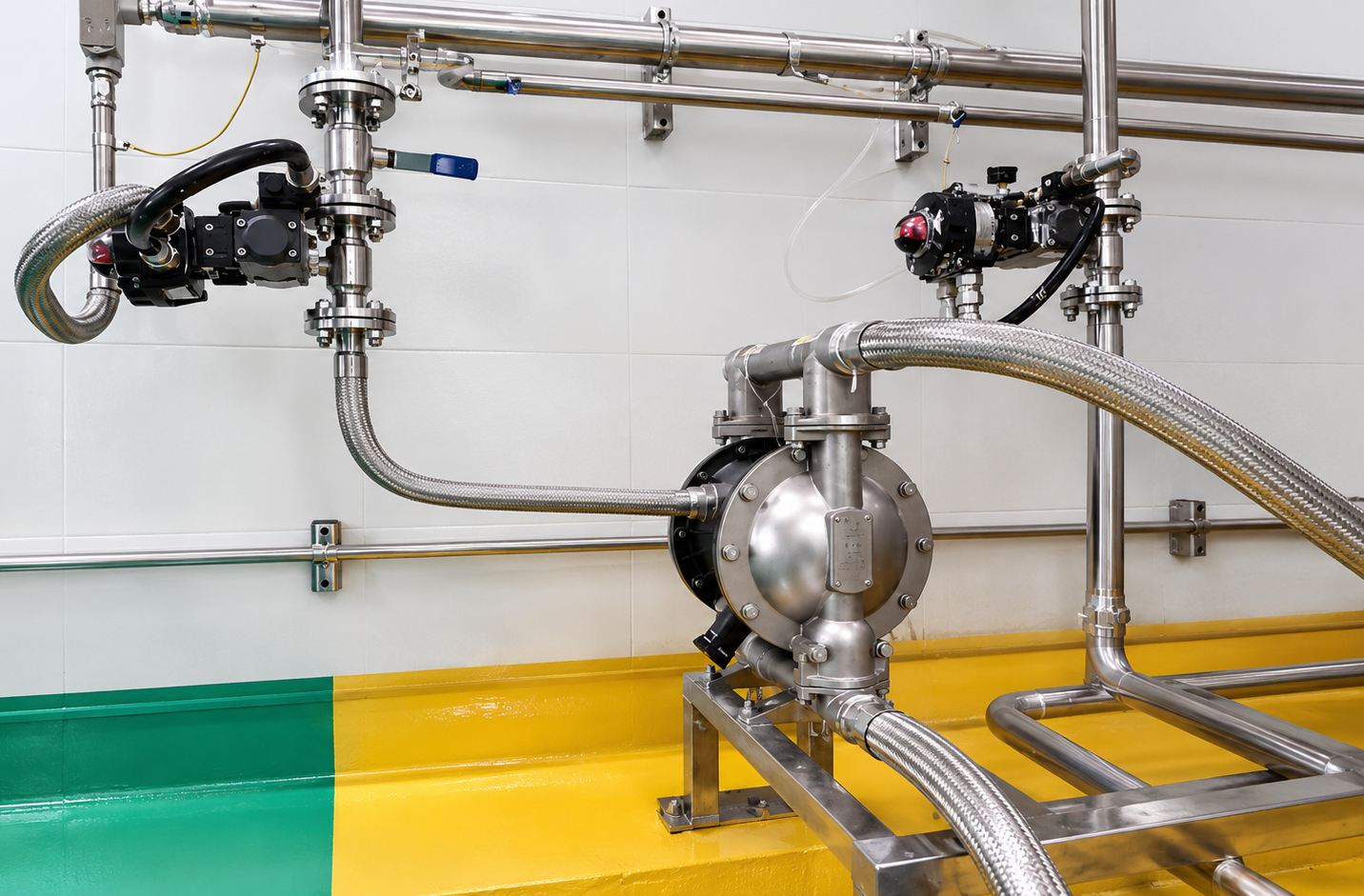
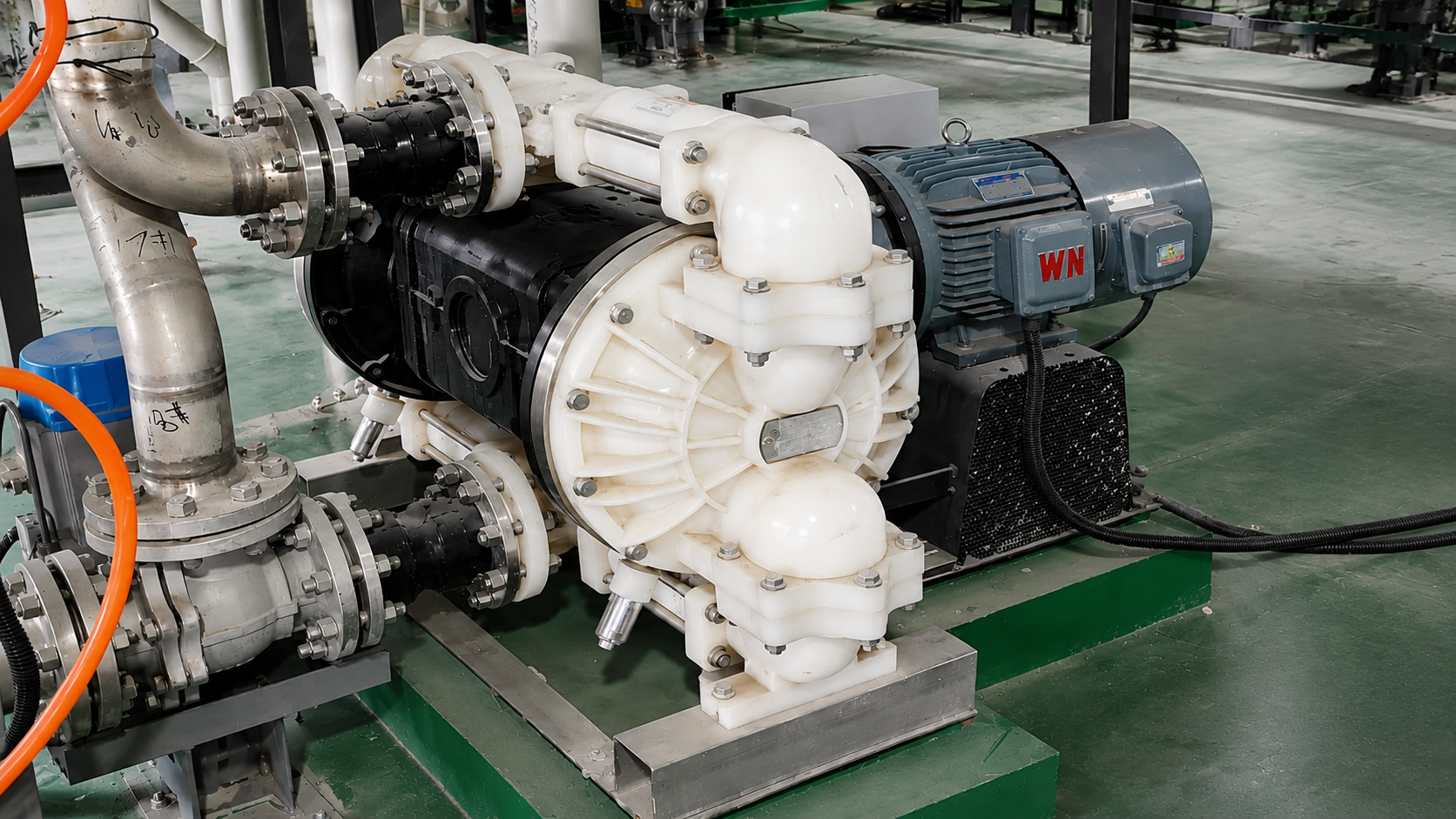
Fluid transfer constitutes a critical procedure within industrial production processes. Industries including chemical engineering, environmental protection, food processing, pharmaceuticals and coatings frequently require the conveyance of media featuring high viscosity, solid particle content, corrosive properties or sedimentation tendencies. Conventional pump equipment is prone to blockages, abrasion, leakage and frequent maintenance when operating under such complex working conditions, which impairs production efficiency.
As enterprises continuously raise their standards for equipment stability, operational safety and service life, pneumatic diaphragm pumps have become the preferred solution for a growing number of industrial users by virtue of their distinctive technical advantages.
Unique Advantages of Pneumatic Diaphragm Pumps for Complex Industrial Media
Advantages of Selecting Pneumatic Diaphragm Pumps
- Wide Application Range
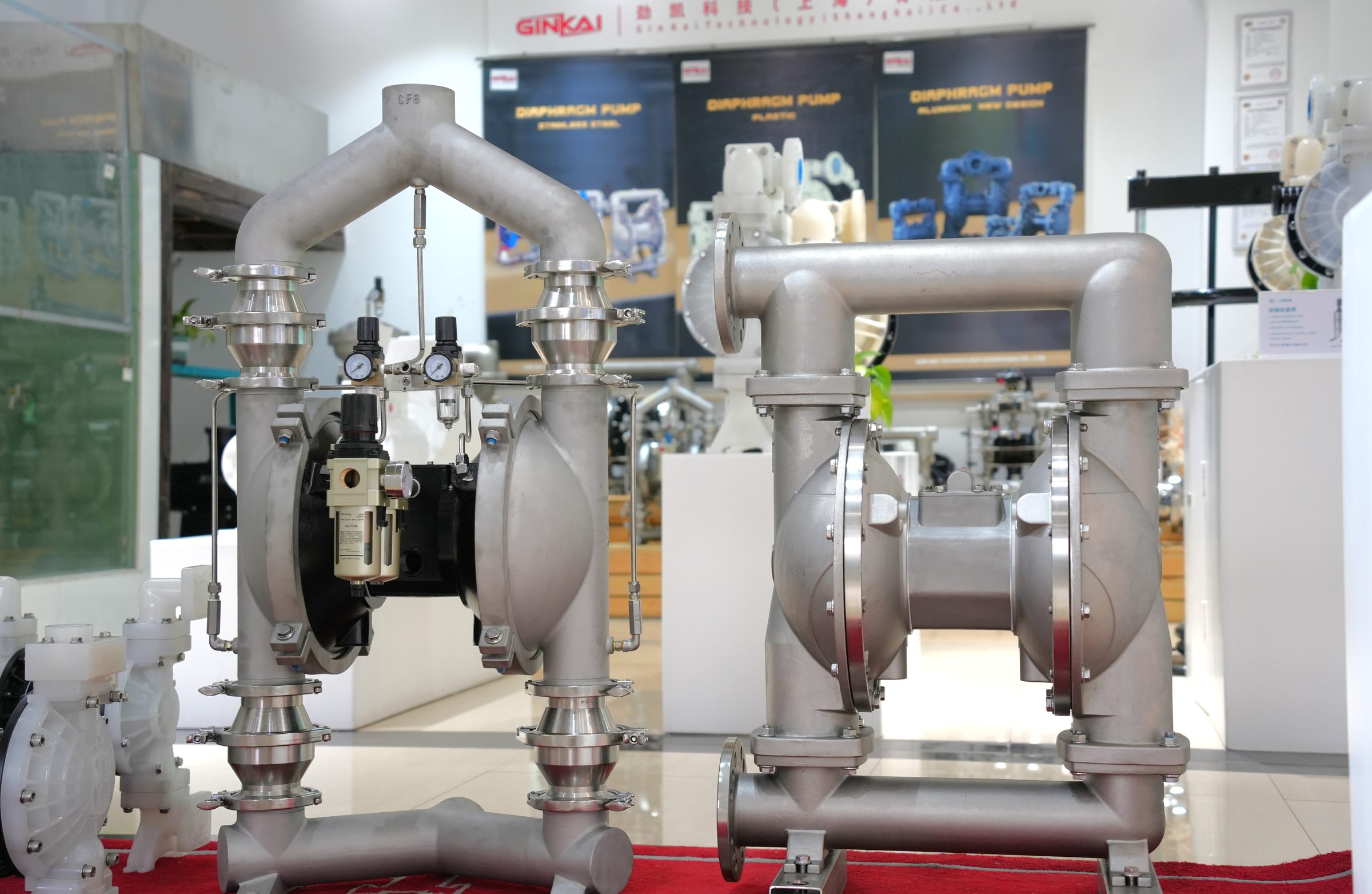
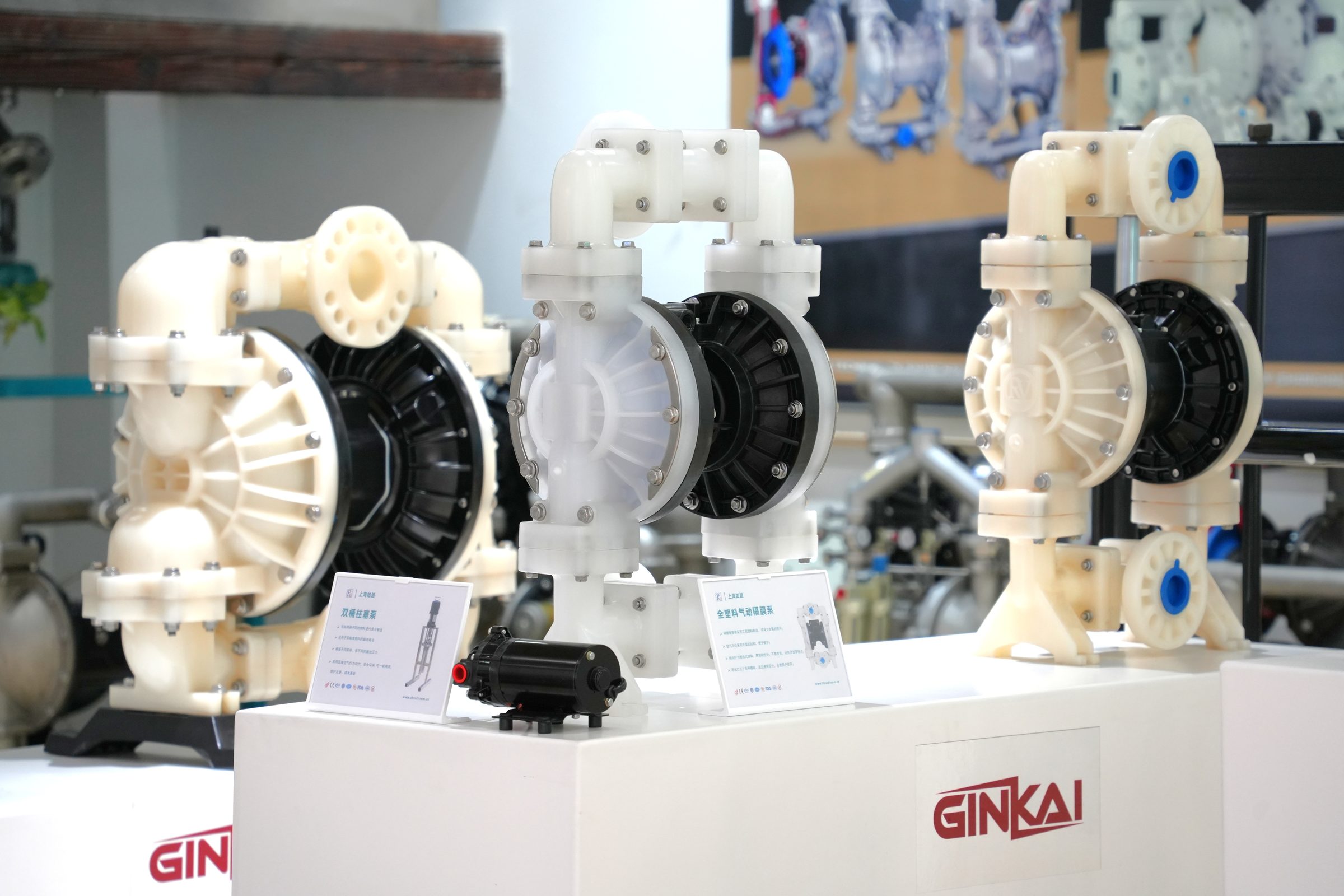
It can deliver clean water, high-viscosity liquids, particle-laden media and corrosive fluids. Matched with different material combinations, it meets the application requirements of various industries.
- Safe and Reliable
Powered by compressed air without electric motors, it eliminates spark hazards, making it particularly suitable for chemical, solvent, explosion-proof and other special hazardous environments.
- Flexible Operation
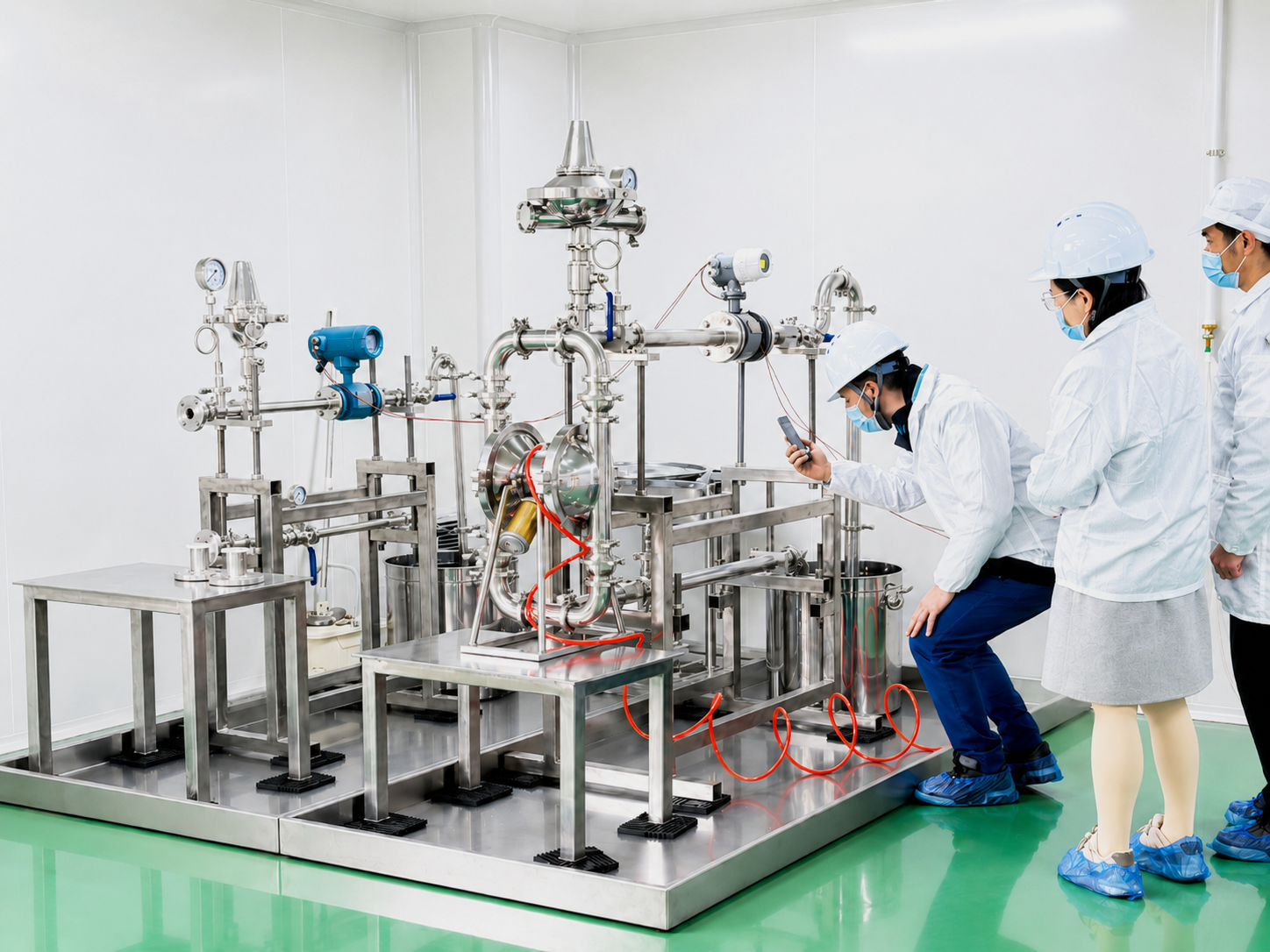
Featuring simple installation and easy operation, it delivers strong self-priming capacity and permits short-time dry running, adapting to variable complex on-site working conditions.
- Easy Maintenance
Its simplified structural design reduces the number of complex mechanical components, enabling rapid repair and minimizing equipment downtime.
Cost Advantages Brought by Long-Term Use
- When purchasing equipment, attention should not only be paid to the upfront price, but also to long-term operating costs.
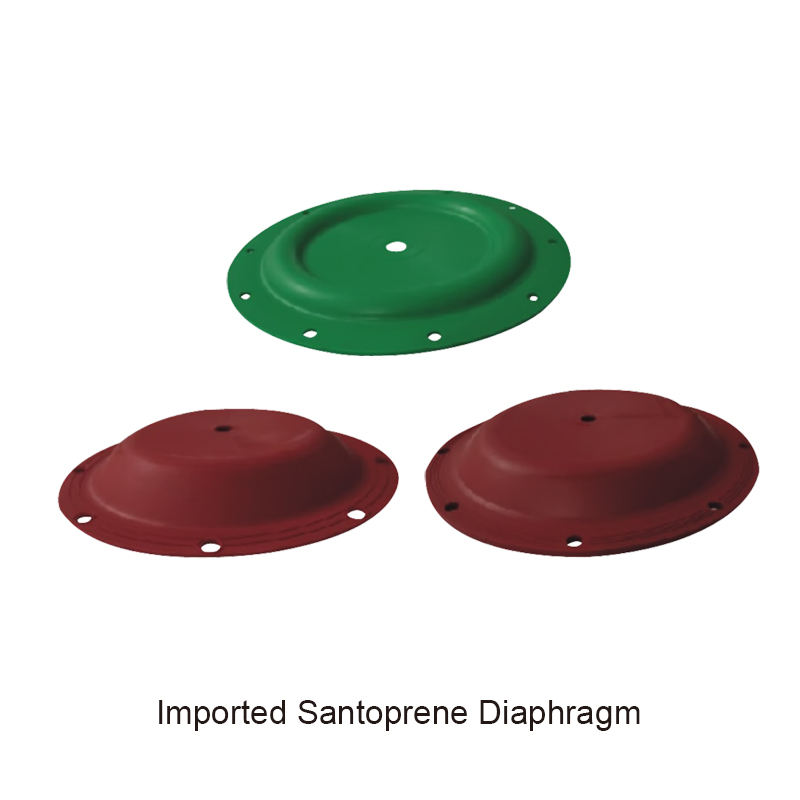
- Pneumatic diaphragm pumps feature a robust structure and simple replacement of wearing parts, which cuts downtime losses caused by leakage, clogging and malfunctions. Meanwhile, a single diaphragm pump can handle the conveyance of various media, lowering enterprises’ equipment investment and management expenses.
- Stable operation, reduced maintenance workload and improved production efficiency represent the long-term value of equipment.