How Can Hygienic Industries Achieve Clean and Efficient Fluid Transfer?
In industries such as food, beverage, pharmaceuticals, dairy, and personal care, fluid transfer must be stable and efficient while also meeting strict requirements for equipment cleanliness, product safety, and cross-contamination control. With its hygienic design, broad fluid compatibility, and convenient maintenance, the sanitary air-operated diaphragm pump has become a commonly used transfer solution in processes with high hygiene requirements.
What Is a Sanitary Air-Operated Diaphragm Pump?
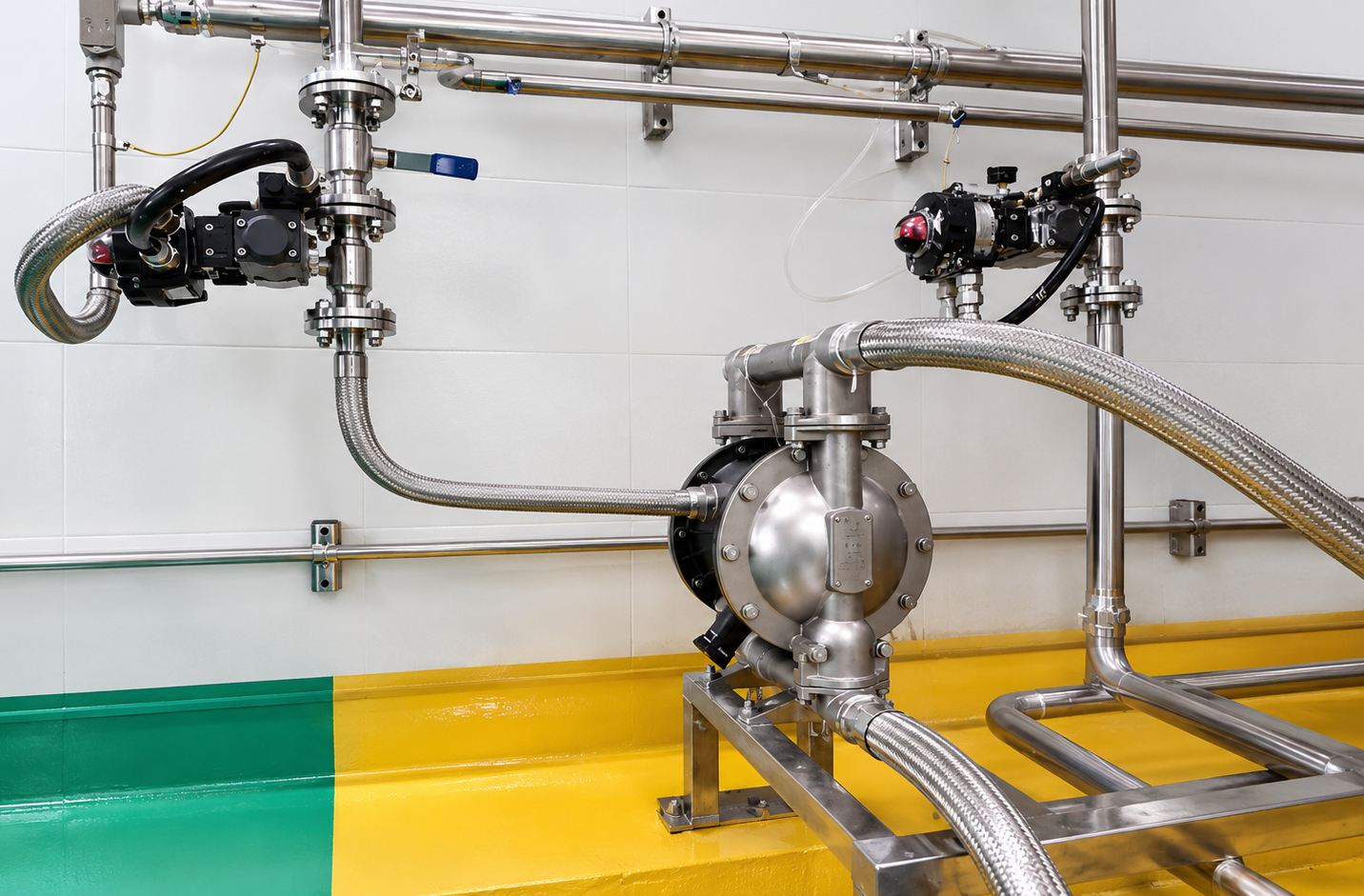
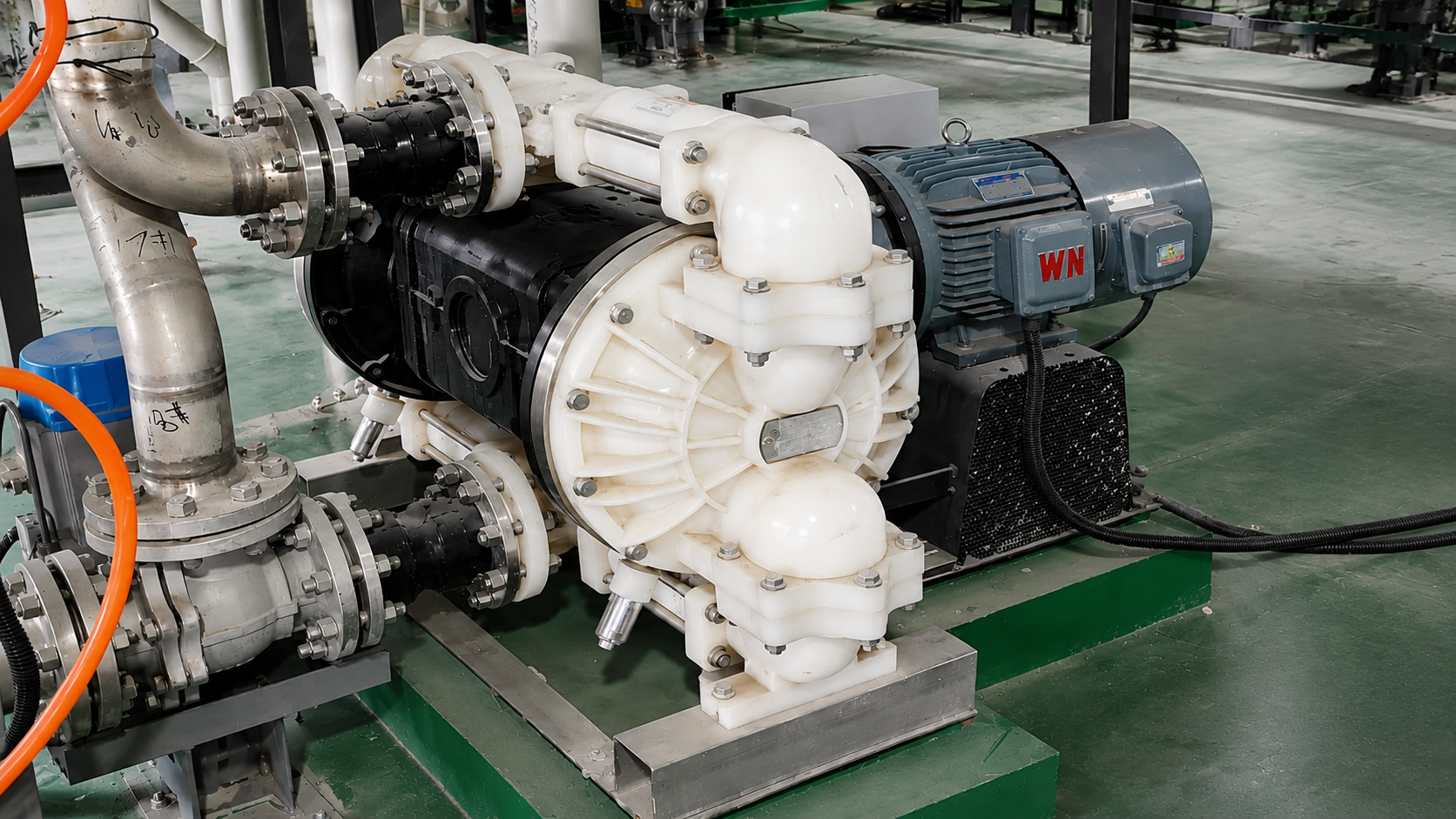
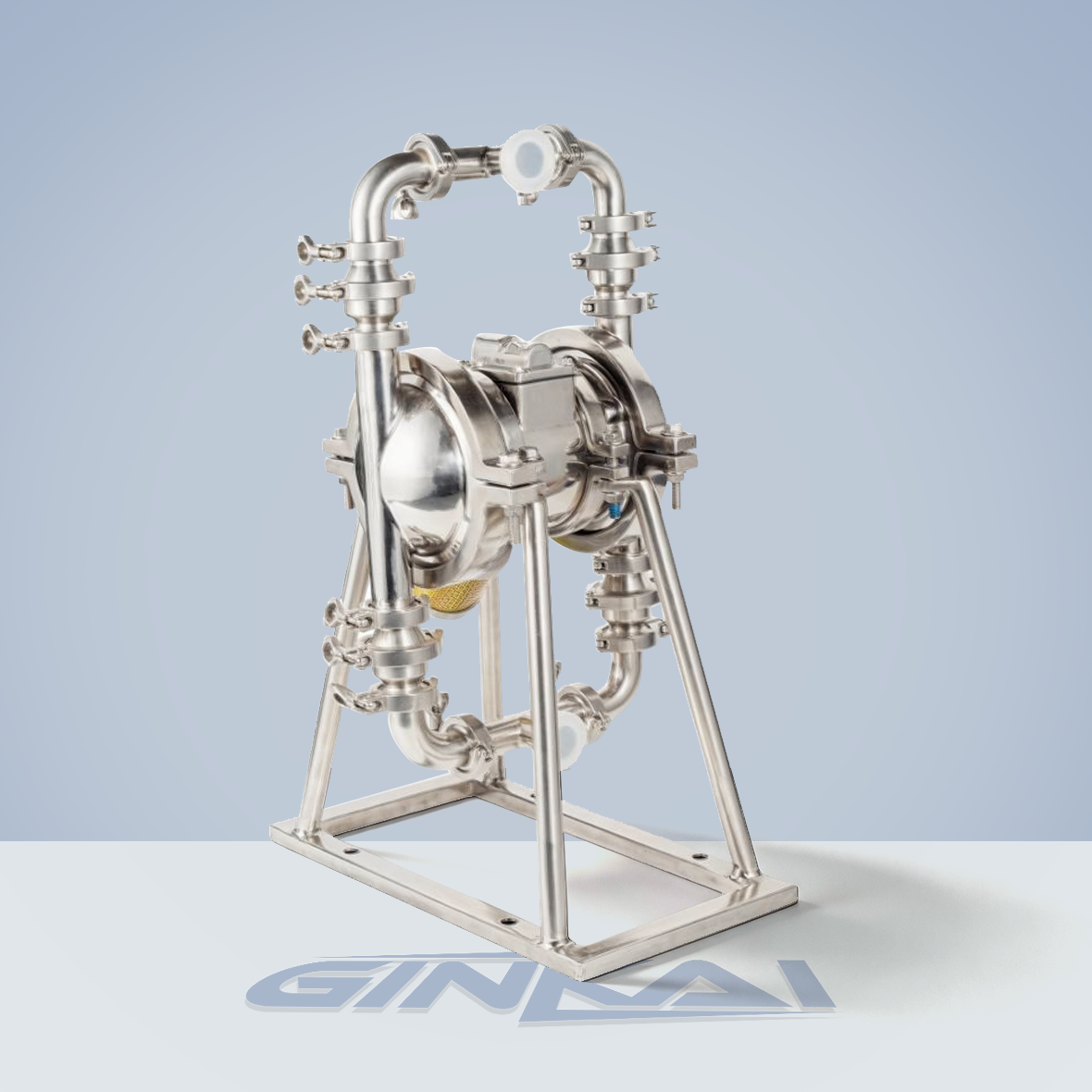
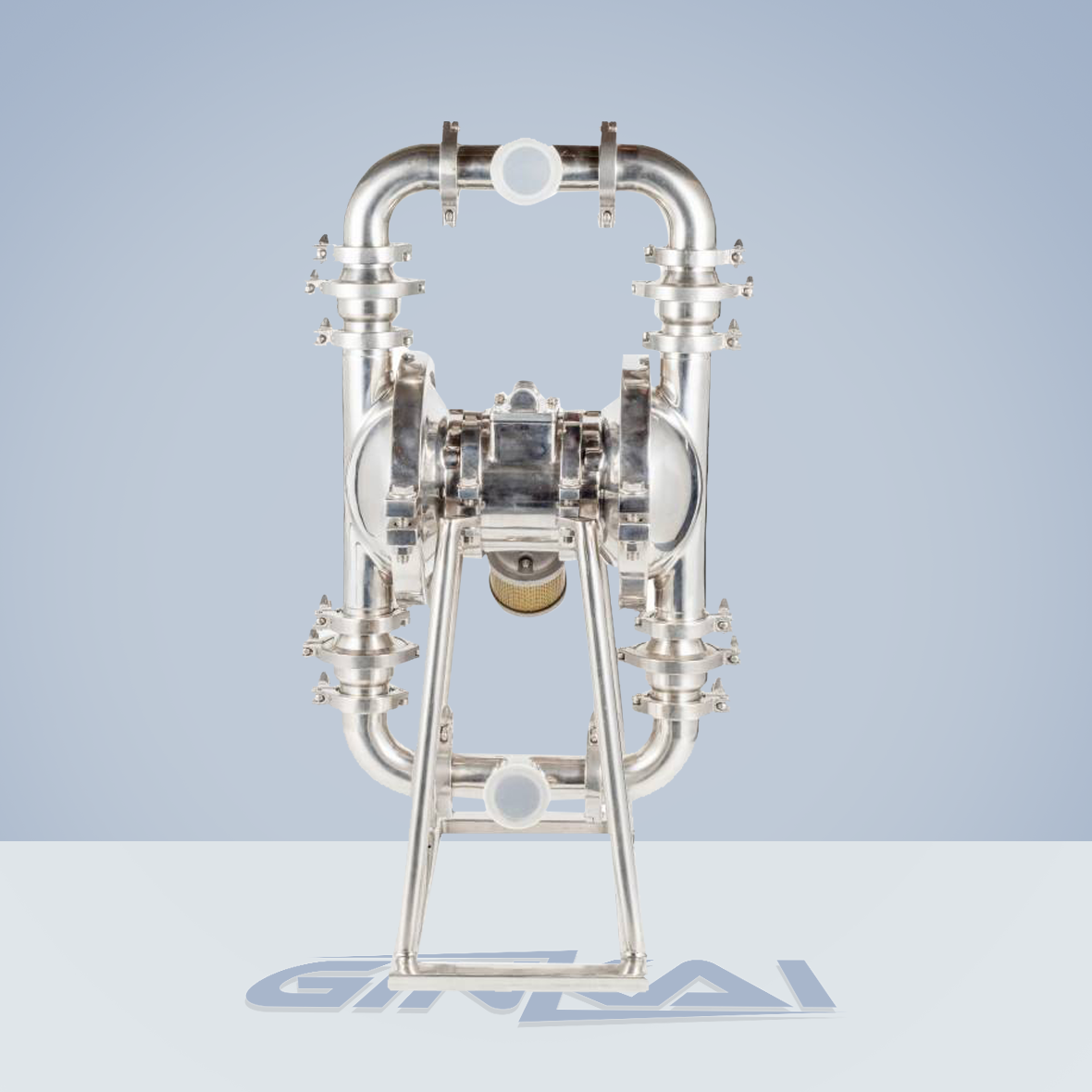
- A sanitary air-operated diaphragm pump is powered by compressed air. Two diaphragms move alternately to draw fluid into the pump and discharge it. During operation, the transferred material is isolated from the pneumatic drive components. Since no conventional mechanical seal is required, the risk of leakage and product contamination can be reduced.
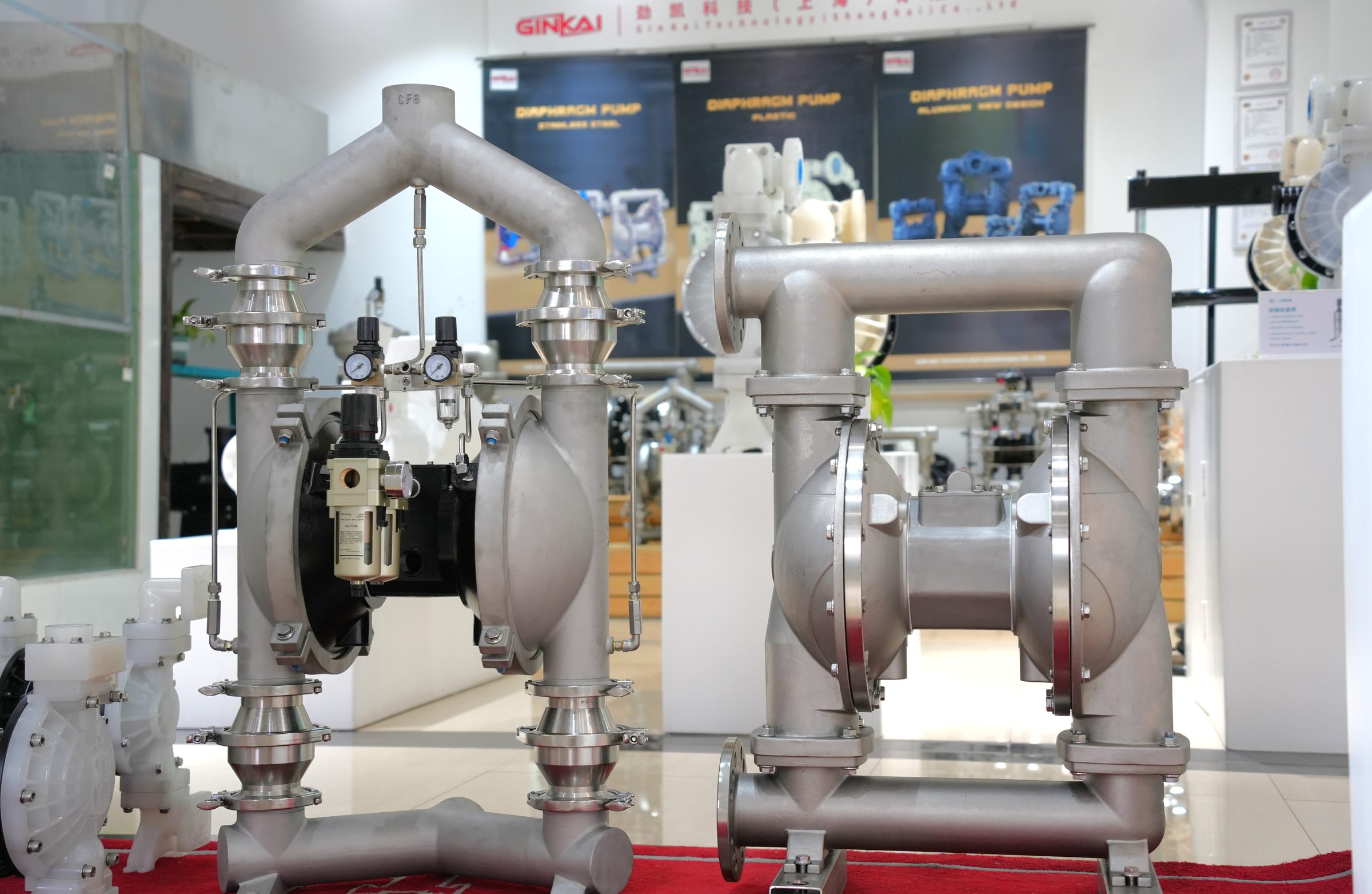
- Compared with standard air-operated diaphragm pumps, sanitary models typically use stainless steel wetted parts, smooth flow passages, and sanitary clamp connections. These features help reduce dead zones and product residue while making disassembly, inspection, and cleaning more convenient.
Advantages of Sanitary Air-Operated Diaphragm Pumps
- Sanitary air-operated diaphragm pumps provide excellent self-priming performance and can handle low-viscosity liquids, high-viscosity materials, and fluids containing certain soft particles. By adjusting the air pressure and air supply, the operating speed and flow rate can be controlled to meet the feeding requirements of different production processes.
- The pump has a compact structure and does not require an electric motor, making it suitable for humid environments or production areas with special electrical requirements. Clamp connections shorten disassembly and assembly time, making routine cleaning and replacement of wear parts easier while reducing production downtime caused by maintenance.
Suitable for a Wide Range of Hygienic Industries
- In food and beverage production, sanitary air-operated diaphragm pumps can be used to transfer syrup, juice, edible oil, seasonings, and sauces. In pharmaceutical and biotechnology applications, they can handle raw material liquids, intermediate Products, and selected process fluids. In the dairy and personal care industries, they are also suitable for transferring emulsions, cleaning and care Products, and paste-like materials.
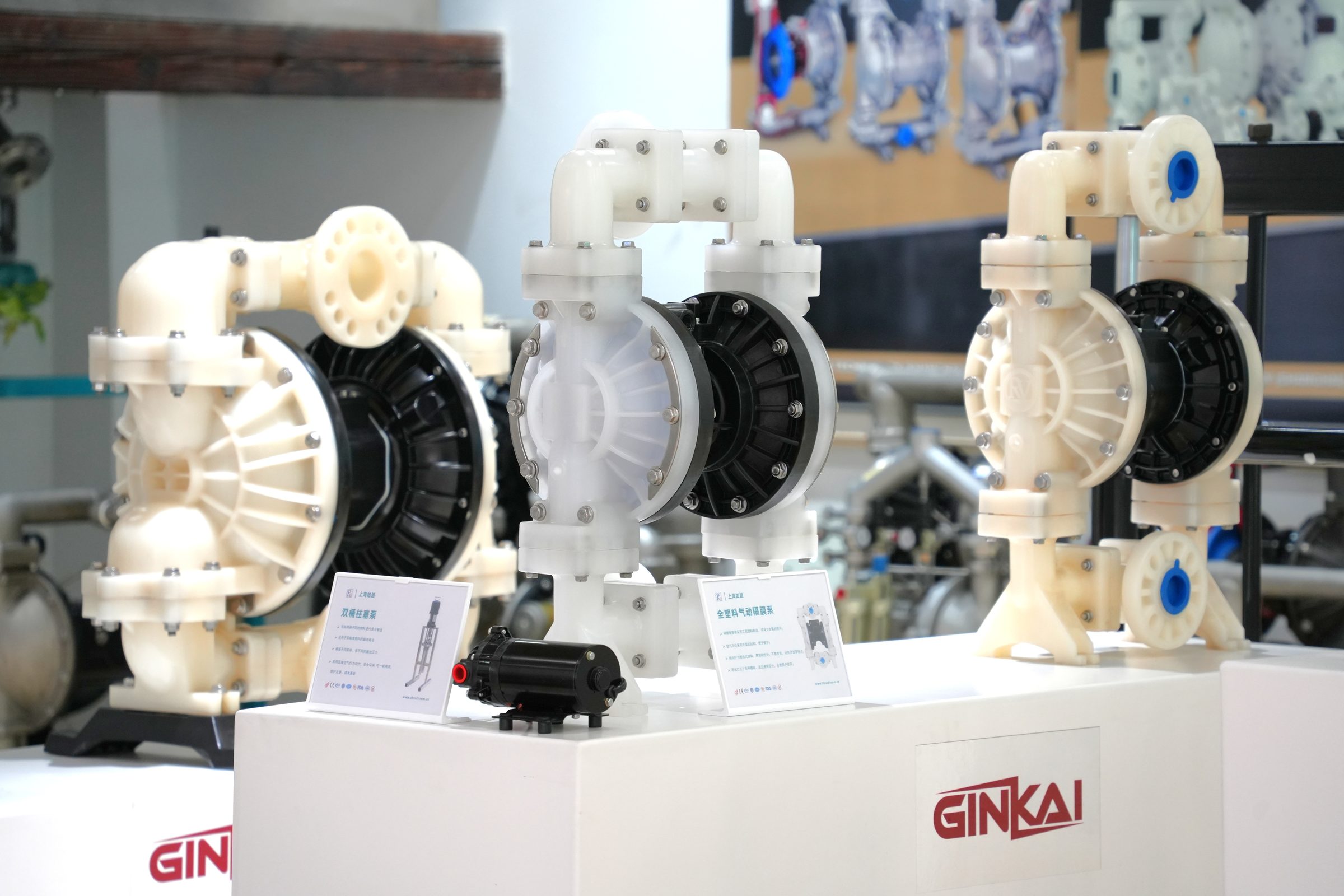
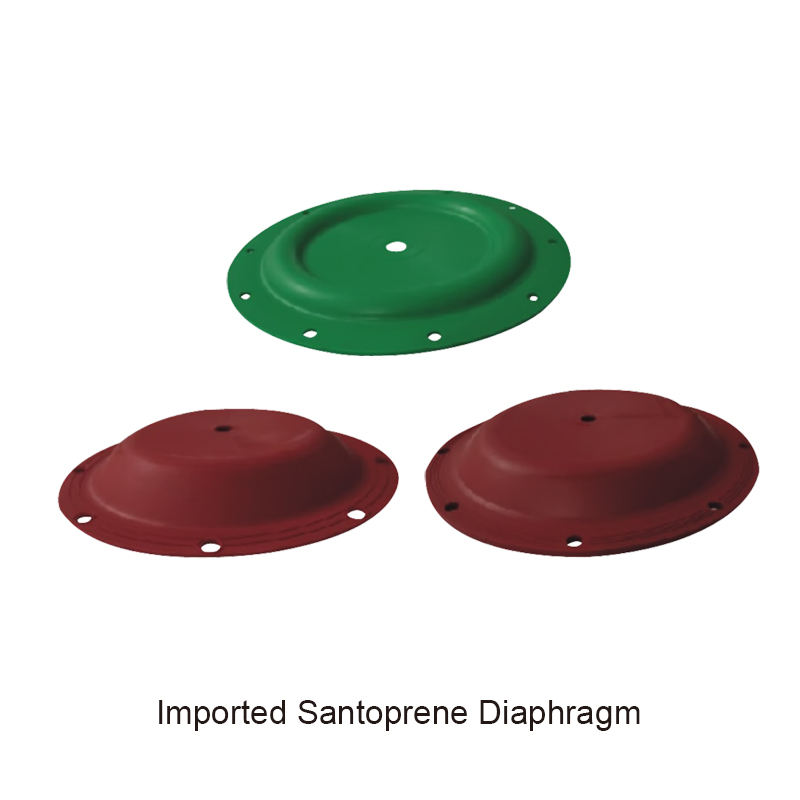
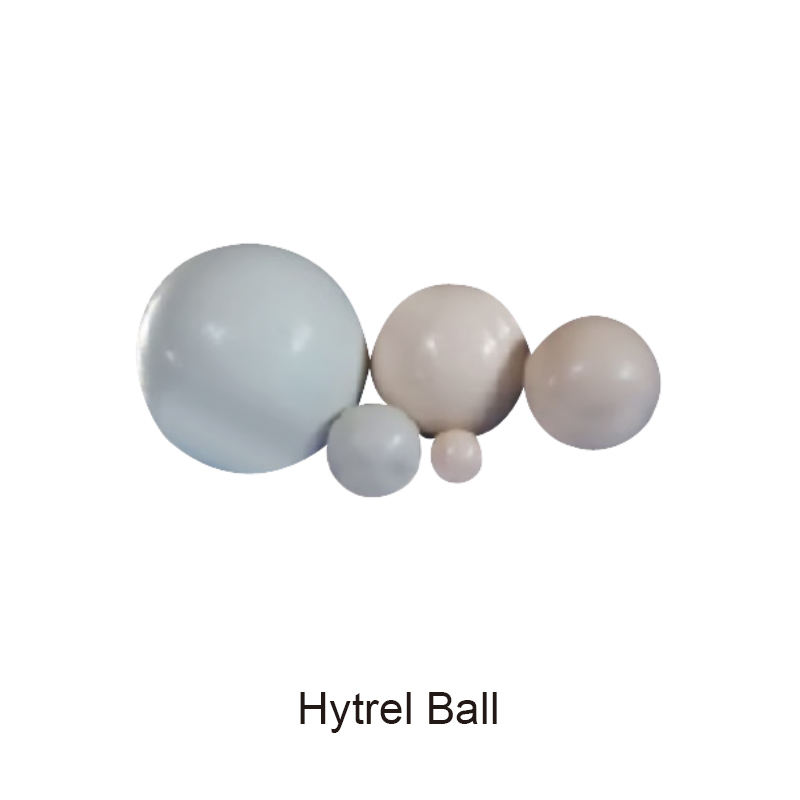
- Suitable diaphragm, valve ball, and sealing materials can be selected according to the fluid’s viscosity, temperature, corrosiveness, and hygiene requirements, improving pump compatibility and service life.
How to Select the Right Pump
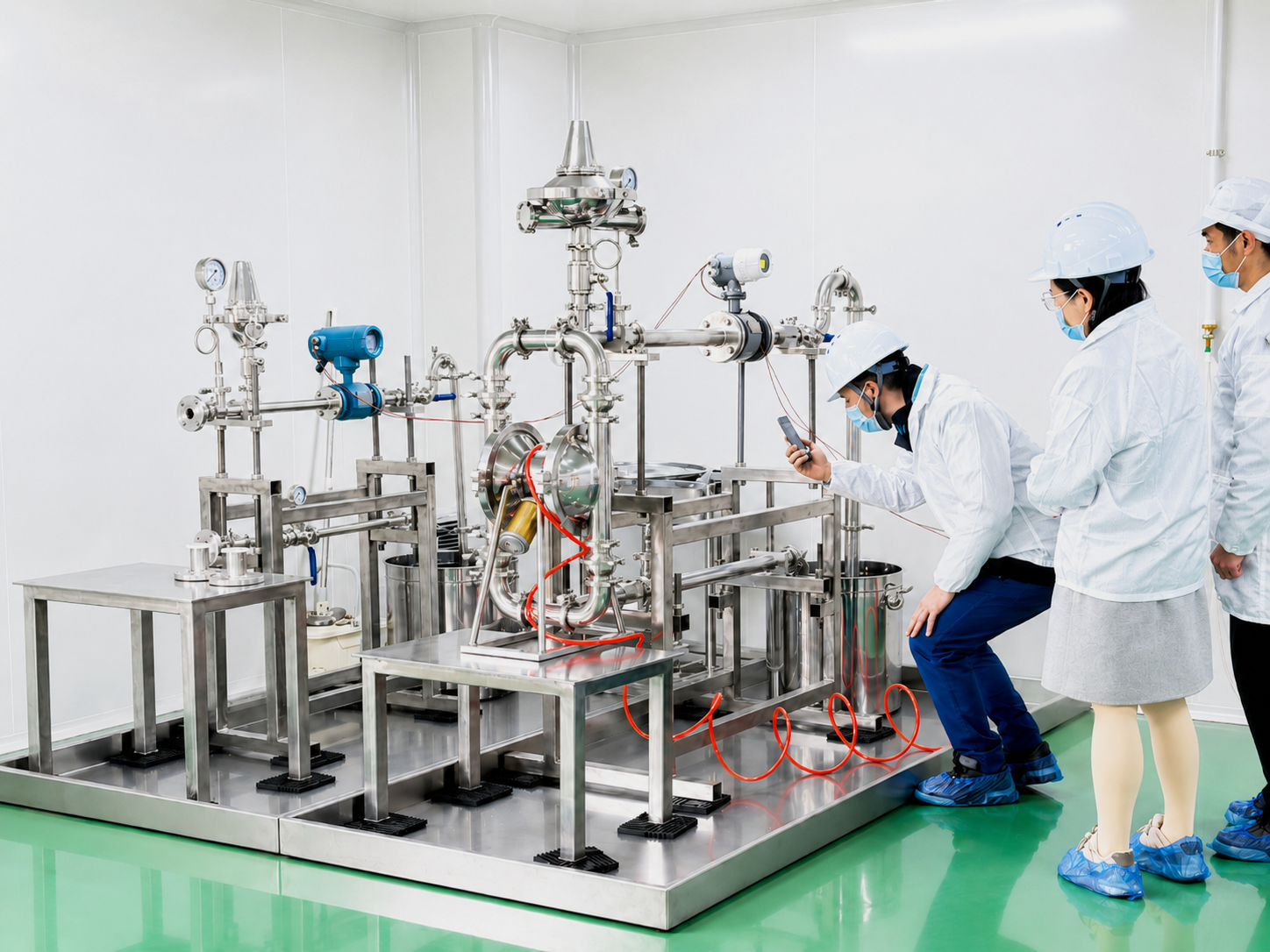
- When selecting a sanitary air-operated diaphragm pump, factors such as fluid properties, required flow rate, transfer pressure, particle size, pipeline length, and available air supply should be considered. Attention should also be given to wetted materials, internal surface finish, connection type, and cleaning requirements.
- A larger pump is not always the better choice. Proper configuration based on actual operating conditions can reduce compressed-air consumption, lower maintenance costs, and deliver more stable transfer performance.
- By combining hygienic design with air-operated diaphragm pumping technology, sanitary air-operated diaphragm pumps can help improve production efficiency, strengthen hygiene management, and reduce the risk of product leakage. They are a reliable choice for hygienic fluid transfer systems.